Five Keys To Being A Successful Stepdad: Lessons From a Stepchild
A Stepdaughter shares how her Stepdad earned her Trust through Patience, Respect, and Support


Being a successful stepdad takes time, patience, and a willingness to make your blended family work. As a stepchild myself, I can attest to this. I know I didn’t always make it easy for my stepdad to become a father figure in my life. But he managed to do it, and successfully, I might add.
Stepparenthood can involve rough, murky waters that are difficult to navigate. That doesn’t mean it was always smooth sailing for our blended family. Often, it was quite the contrary. However, now that I’m an adult, I have a healthy relationship with my stepdad and am very thankful to have him in my life. I even call him “Dad” because, to me, that’s exactly who he is.
If you’re a stepparent hoping to cultivate a healthy relationship with your stepchild, here are five keys to being a successful stepdad, based on what I learned growing up with mine.
1. Understand There Will Be Challenges in the Beginning
I was very young when my stepdad became part of my life, but I remember meeting him for the first time. I had my reservations and didn’t initially welcome him with open arms. Even as a young child, I protected my mom and was skeptical of anyone new entering our lives.
Some stepchildren have similar reactions. Their previous experiences can shape how readily they trust a new adult. Some children withdraw, while others challenge boundaries. Others welcome a stepparent more quickly. No two stepchildren respond the same way.
I certainly tested boundaries. When I first met my stepdad, I actively tried to push him away. I put him through tests, and he had to earn my trust. He did that because he took the time to understand my perspective.
My stepdad understood I wasn’t just a bratty little kid. He knew I had experienced sadness and feelings of abandonment but was too young to understand my feelings. My biological father had chosen to remove himself from my life, leaving an emotional wound I didn’t know how to process.
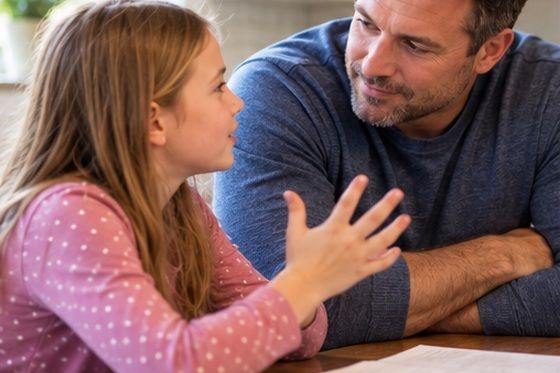
Had my stepdad become angry, defensive, or concerned only with his own perspective, I likely would never have been open to accepting him as a father figure. His patience gave our relationship room to grow.
If you’re a new stepparent, recognize that your stepchild may need time to adjust.
Be consistent, keep your promises, and show an interest without demanding affection in return.
2. Do Not Badmouth the Biological Parent
There were many negative things my stepdad could have said about my biological father. However, while I was growing up, he never made a peep about him.
When I was ten years old, I decided I wanted to get to know my biological father. Until that point, I hadn’t had a relationship with him. My stepdad fully supported my decision.
Although I’m sure he was uncomfortable with the idea of having my mother’s ex in his home, he never made the situation about his feelings. Instead, he focused on mine. He reassured me that our relationship wouldn’t change, even if I wanted my biological father to be my “dad.” He made it clear I didn’t have to choose between them.
Unfortunately, things didn’t work out, and I never developed a relationship with my biological father. But that wasn’t because my stepdad stood in the way. Attempting to get to know my biological father only made me appreciate my stepdad more. I respected him for giving me the freedom to form my own opinion.
Talk through adult frustrations privately with your partner. A child shouldn’t have to defend one parent to maintain a relationship with another.
Negative comments can leave children feeling guilty for loving both parents. They may also affect how children see themselves, especially when they identify with the criticized parent. Respecting those feelings doesn’t require pretending every adult decision is acceptable. You can address harmful behavior calmly without attacking the person.
Supporting contact must always consider the child’s safety and well-being. When contact is appropriate and safe, let your stepchild know they don’t have to choose whom they’re allowed to love.
3. Do Not Force Your Stepchild to Call You “Dad” or “Mom”
My stepdad never tried to force me to call him “Dad.” I made that decision entirely on my own. It happened so naturally that I don’t remember the exact moment I started calling him that.
However, when I attempted to get to know my biological father, he tried to force me to call him “Dad.” I remember him angrily telling me I was disrespectful when I explained I wasn’t comfortable using that title until I got to know him better.
As a ten-year-old, his reaction made me incredibly angry. I already had my stepdad, and I wasn’t looking to replace him with someone who was practically a stranger.
I’ve always believed that the title of “Dad” is something a person earns through their actions and relationship with a child. The familiar saying, “Anyone can be a father, but it takes someone special to be a dad,” comes to mind.
As a child, I saw my biological father’s aggressive insistence as a disregard for my feelings. He wanted me to acknowledge a relationship that hadn’t yet developed. Needless to say, our relationship deteriorated after that experience.
Older stepchildren may react similarly when a stepparent insists on being called “Dad” or “Mom.” Trying to force your way into a particular role can make a child feel their existing relationships and feelings don’t matter.
Some stepchildren eventually choose to call their stepparent Mom or Dad. Others continue using a first name, even when they share a loving, lifelong bond. Respect your stepchild’s comfort level. The quality of the relationship matters more than the title.
4. Follow Your Partner’s Lead When Disciplining Your Stepchild
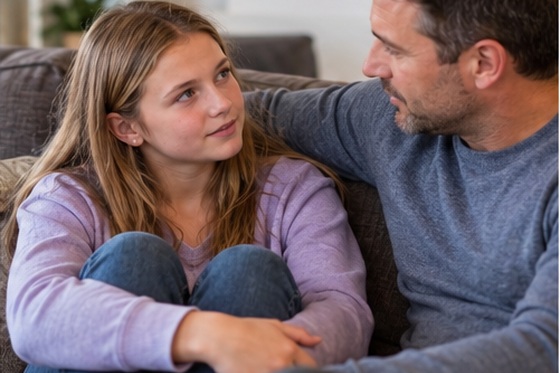
My stepdad didn’t enter our family expecting to become the disciplinarian. When I needed correction or consequences as a child, everyone understood that responsibility belonged primarily to my mom.
She made her boundaries clear early on, including that she didn’t want my stepdad to use physical punishment. My stepdad supported the expectations she had established. Had he immediately tried to take charge of disciplining me, I believe I would have resisted him even more.
Discipline can be a sensitive issue in blended families, particularly during the early stages of adjustment.
That doesn’t mean a stepdad has no authority or responsibility. Both adults need to discuss household rules, agree on their roles, and decide how to respond when boundaries are crossed. A stepdad can reinforce agreed expectations and intervene when immediate safety is at stake.
Have those conversations privately, before problems arise. Use consistent, age-appropriate, nonphysical consequences, and treat children with dignity. As the relationship develops, revisit your responsibilities together rather than assuming your role will automatically change.
Following your partner’s lead worked well in my family. Knowing where you stand can prevent misunderstandings and help create a more stable home for everyone.
5. Support Your Stepchild
My stepdad never made me feel that my place in our family was different from my sister’s, even though she was his biological daughter. To him, I was just as much his daughter as she was.
His extended family wasn’t always as accepting. I vividly remember attending a holiday gathering with my stepdad, mom, and sister. His grandmother had a habit of making me feel like an outsider. When “Nana” overheard me call her grandson “my dad,” she interrupted my conversation with someone else.
“You mean ‘Kristopher,’ right?” she interjected. “Yeah, my dad,” I responded, confused about what she meant. “He is not your dad,” she coldly snapped.
I was about fourteen and had called him Dad for years. This wasn’t the first time she’d made me feel unwelcome because I wasn’t biologically related to her. However, it was the first time she’d been so direct about it.
My stepdad made it clear to his grandmother that he didn’t appreciate how she treated me. He made sure she knew I was every bit as much a member of our family as my sister. His willingness to stand up for me reinforced something important: I belonged.
Show Your Stepchild They Belong
Supporting your stepchild matters in ordinary moments, too. Include them in family activities, listen to their concerns, and take an interest in what matters to them.
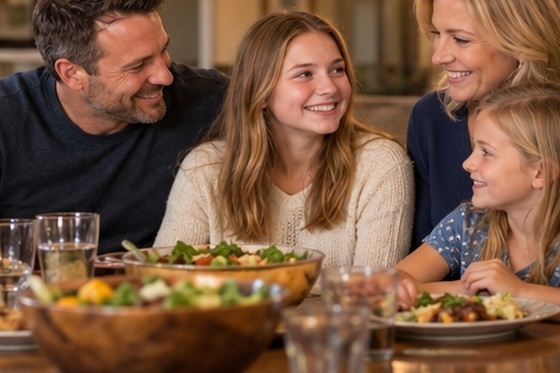
When relatives question a child’s place in the family, don’t leave that child to handle it alone. Address hurtful remarks and reassure your stepchild privately afterward. Supporting them doesn’t mean agreeing with everything they say or do. It means showing through your actions that they can count on you.
What My Stepdad Taught Me
Although I’ve shared deeply personal examples, these five keys offer lessons for anyone raising stepchildren. Being understanding, respectful, and supportive can improve a relationship, even when it starts difficult.
My stepdad didn’t demand my affection or insist I accept him as my father. He gave me time to trust him. When I wanted to know my biological father, he supported me. When someone questioned my place in our family, he stood up for me.
Today, I’m grateful for the relationship we share. He became the person I call Dad through the way he treated me, and those choices still matter to me years later.
Continue reading: Building a strong relationship with a stepchild takes time. For more practical guidance, read Building Trust With A Stepdaughter: What Every Stepdad Needs To Know or/and How to Build Trust With Your Stepson: Nine Ways That Work.