Veterans Day Love In Action: The Power Of Acts Of Service
Honoring Veterans, Strengthening Blended Families

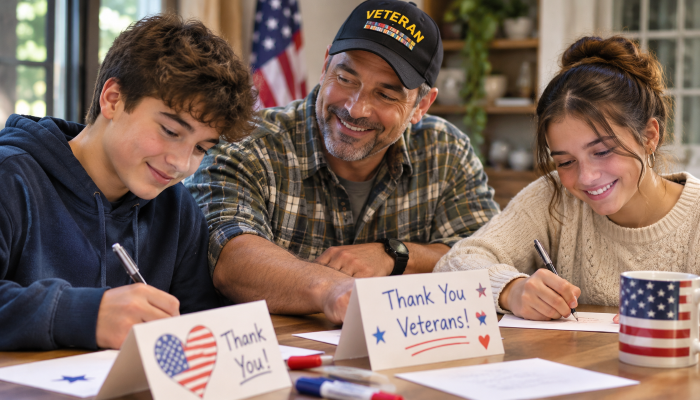
Veterans Day acts of service remind us that gratitude goes beyond a simple “thank you.” Every November 11, Americans honor the brave men and women who served our country. We recognize their courage, sacrifice, and willingness to put others before themselves.
For blended families, Veterans Day carries special meaning. Many veterans are also stepdads who have embraced the responsibility of loving and raising children who aren’t biologically theirs. Meanwhile, some active-duty military stepdads serve far from home, missing precious moments with their families.
Whether serving in uniform or helping a stepchild through a difficult day, these men demonstrate an important truth.
Veterans Day: Honoring a Legacy of Service
Veterans Day is observed every November 11. Memorial Day honors those who died while serving in the military.
It’s a day to thank those who answered the call to serve during war or peace. Their sacrifices deserve our appreciation, whether they served overseas or here at home.
Behind every veteran is a story. Some served overseas in remote and dangerous conditions, while others supported critical missions from stateside bases. Many missed birthdays, anniversaries, holidays, and other important family occasions.
Their service often required sacrifices civilians never see. Yet, military service doesn’t always end when someone removes the uniform. Many veterans continue serving their communities as teachers, volunteers, first responders, mentors, and parents.
For veteran stepdads, that commitment to service takes on another meaningful form. They help build loving, stable blended families while applying lessons learned through military service.
The Veteran Stepfather: Serving in Two Important Roles
Military service teaches valuable lessons about commitment, teamwork, patience, and responsibility. These qualities can also help a stepfather navigate the challenges of blended family life.
However, becoming a stepdad doesn’t come with a field manual. No basic training course teaches you how to earn a stepchild’s trust or handle complicated family relationships. Unlike military rank, the title of stepdad doesn’t automatically bring authority or respect.
A veteran stepdad may have commanded troops, managed complex operations, or led others through difficult situations. Yet, one of his greatest challenges might be earning the trust of a teenager who doesn’t want another father figure.
Fortunately, the qualities that make a dependable service member can also help him become a caring stepfather. Patience, consistency, humility, and a willingness to serve others can make a lasting difference.
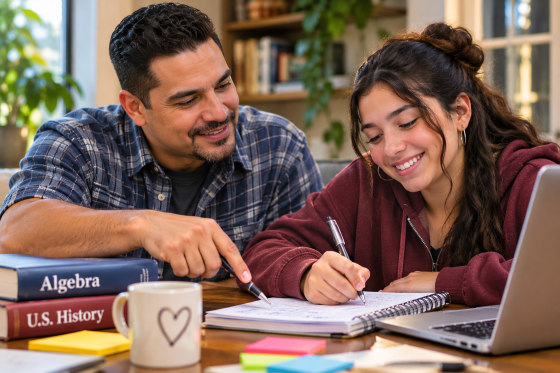
Sometimes, the most important mission isn’t overseas. It’s at the kitchen table, helping a stepchild with homework or listening to what’s troubling them. A successful stepdad doesn’t have to win every battle because sometimes the greatest victory is earning a child’s trust.
When Duty Calls: The Deployed Military Stepdad
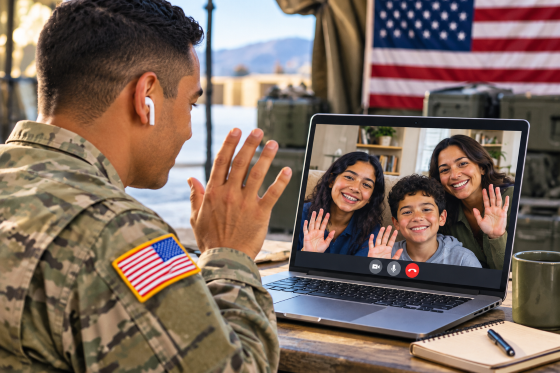
For military stepdads serving overseas or away from home, blended family relationships can be especially challenging. Deployment means missing everyday moments that help families grow closer, including school plays, athletic games, birthdays, and holiday dinners.
For biological parents, those separations are difficult enough.
A stepchild might wonder whether the stepdad will stay in their life. Younger children may struggle to understand why he can’t come home, while teenagers might become emotionally distant. Meanwhile, the deployed stepdad may worry about losing the progress he’s made in building those relationships.
Although technology makes communication easier, a video call can’t replace a hug or an afternoon spent together. Still, physical distance doesn’t have to mean emotional distance.
A deployed stepdad can demonstrate love through small, consistent actions:
-
Send personalized messages to each stepchild and ask about what they’re doing.
-
Remember birthdays, school events, and other important milestones.
-
Record bedtime stories or encouraging messages for younger children.
-
Make time for video calls when operational duties permit.
-
Send handwritten letters or postcards that children can keep.
-
Reassure stepchildren they remain important, even when miles apart.
Of course, communication schedules may be unpredictable during deployment. Families should avoid promising calls or visits they can’t guarantee. Instead, focus on staying connected whenever circumstances allow.
A short message saying, “I’m proud of you,” can mean more than a stepdad realizes. Even from thousands of miles away, those simple words can remind a stepchild they’re loved and remembered.
Supporting the Family Back Home
Deployment affects the entire household, especially the spouse managing daily responsibilities alone. Family members can support one another by sharing household tasks, maintaining familiar routines, and encouraging open communication.
Children should also have opportunities to express their feelings without pressure to appear brave or cheerful. It’s normal for a child to feel proud of a deployed stepdad while also feeling frustrated or sad about his absence. Both feelings can exist at the same time, and each deserves understanding.
Acts of Service: A Love Language Every Family Can Practice
In his popular book The 5 Love Languages, Gary Chapman identifies acts of service as one way people express and receive love.
In blended families, acts of service can be particularly meaningful because trust often develops through repeated experiences. A stepchild may not immediately respond to affectionate words or emotional conversations. However, they may notice when their stepdad consistently shows up, keeps his promises, and helps without expecting recognition.
Consider these everyday examples:
-
A stepdad helps his stepdaughter prepare for an important exam.
-
A teenager washes the family car without being asked.
-
A stepmom prepares a favorite meal after a difficult day.
-
A stepdad attends his stepson’s game, even though the boy rarely acknowledges him.
-
A family member takes over household chores so someone else can rest.
None of these actions requires money, special training, or extraordinary talent. They require a willingness to consider someone else’s needs. Sometimes, the smallest acts leave the biggest impressions.
What Scripture Teaches About Serving Others
The Bible reminds us that genuine love should show up in our actions. This principle is especially meaningful for stepdads seeking to lead their families through kindness and humility.
Serving others doesn’t mean becoming a doormat or allowing people to take advantage of our kindness. Instead, it means choosing compassion, humility, and generosity.
Jesus provided the ultimate example of servant leadership. In John 13, He washed His disciples’ feet, performing a task usually reserved for a servant. Through this simple but powerful act, Jesus demonstrated that genuine leadership involves humility and service.
For stepdads, the lesson is especially relevant. Leadership in the home isn’t measured by how many orders we give. Instead, it shows up in how consistently we demonstrate love, fairness, patience, and integrity.
A stepdad who serves his family without demanding recognition teaches children something valuable about character. His example may influence how they treat others for years to come.
Seven Meaningful Veterans Day Acts of Service
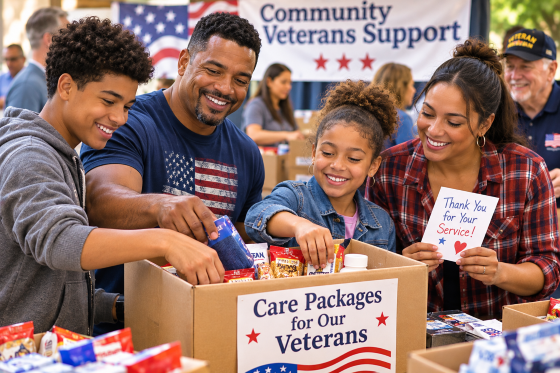
Veterans Day provides an excellent opportunity for blended families to turn gratitude into action. Rather than simply saying, “Thank you for your service,” consider doing something meaningful for a veteran or military family.
1. Write a Heartfelt Thank-You Letter
Encourage your stepchildren to write letters thanking veterans for their service. Younger children can draw pictures, while teenagers can write personal messages expressing appreciation. If you know a veteran personally, a handwritten note can be especially meaningful.
2. Help a Veteran With Everyday Tasks
Offer to rake leaves, shovel snow, carry groceries, or assist with household chores. Before helping, ask what would be useful. Some veterans may appreciate practical assistance, while others may enjoy friendly conversation.
3. Support a Family With a Deployed Service Member
Offer to prepare dinner, help with errands, or provide transportation to children’s activities. For a spouse managing the household alone, even a small gesture can relieve stress and encourage.
4. Listen to a Veteran’s Story
Some veterans enjoy sharing memories of their military service, while others prefer to keep those experiences private. Let them decide what they’re comfortable discussing. Sometimes, the most meaningful act of service is listening without interrupting or asking intrusive questions.
5. Volunteer With a Veterans Organization
Look for local organizations supporting veterans and military families. Consider participating in a community service project, preparing care packages, or helping with an event honoring those who served.
6. Create a Family Gratitude Project
Ask each family member to identify one veteran they appreciate and explain why. You might create a gratitude board featuring photos, thank-you notes, and messages of encouragement. For families with military relatives, this activity can help younger children understand their family’s service history.
7. Make Acts of Service a Family Tradition
Why limit kindness to Veterans Day when families can practice it year-round? Challenge each family member to perform one thoughtful act of service every week throughout November.
It might involve helping a neighbor, encouraging a struggling classmate, or doing something special for a family member. The goal isn’t to receive praise but to develop a lasting habit of serving others.
Teaching Stepchildren Gratitude Through Acts of Service
Children learn important lessons by watching the adults around them. When stepdads show kindness and generosity, they give children examples to follow.
However, gratitude shouldn’t become another household assignment children complete reluctantly. Instead, invite them to participate in meaningful activities and explain why those actions matter.
For example, if your family prepares a meal for a military spouse, explain how deployment affects daily family life. If you’re writing letters to veterans, discuss the sacrifices military families sometimes make. Encourage questions and allow children to express their thoughts.
Most importantly, demonstrate gratitude through your own behavior. Thank the cashier who helps you at the grocery store, recognize a family member who completes an unpleasant chore, and express appreciation when your stepchild offers assistance.
These everyday interactions reinforce a powerful message about gratitude. It isn’t just a feeling; it’s a choice we express through our actions.
A Special Word to Veteran and Active-Duty Stepdads
To every veteran stepdad who has served our country, thank you for your service and sacrifice. Thank you for the responsibilities you’ve carried and the example you’ve set. Your military service deserves recognition, as does your willingness to embrace the challenges and rewards of stepfatherhood.
To the active-duty stepdads currently serving away from home, we recognize the sacrifices you and your families are making. Although your absence may be difficult, your love, encouragement, and commitment can continue making a difference across the miles.
Remember, you don’t have to be a perfect stepfather to make a positive impact. What matters is your commitment to building relationships through patience, kindness, and consistent effort.
And to the spouses, children, and stepchildren who support our military families, your sacrifices matter, too. Your resilience, encouragement, and love help sustain those who serve.
Final Thoughts: Love Is a Mission Worth Serving
Veterans Day reminds us that service often requires sacrifice, courage, and commitment. However, we don’t need a uniform to make a difference in someone’s life.
Every stepdad has opportunities to serve his family through simple acts of kindness. Every stepchild can learn to express gratitude through thoughtful actions. Together, blended families can strengthen their relationships by putting love into practice.
This November 11, take time to honor the veterans in your life. Thank them for their service, remember the families who support them, and consider how your family can demonstrate appreciation through meaningful action.
After all, some of life’s most important missions begin at home. They may not come with medals or public recognition, but their impact can last for generations.
Happy Veterans Day!
Continue Building a Grateful Family
Gratitude grows stronger when families practice it together. Discover more ways to help children appreciate kindness, generosity, and everyday blessings in our article, Raising Grateful Kids in a Blended Family.