
Thanksgiving In A Blended Family: Making Room For Everyone At The Table
Creating meaningful Traditions, Stronger Bonds, and a Place for Everyone

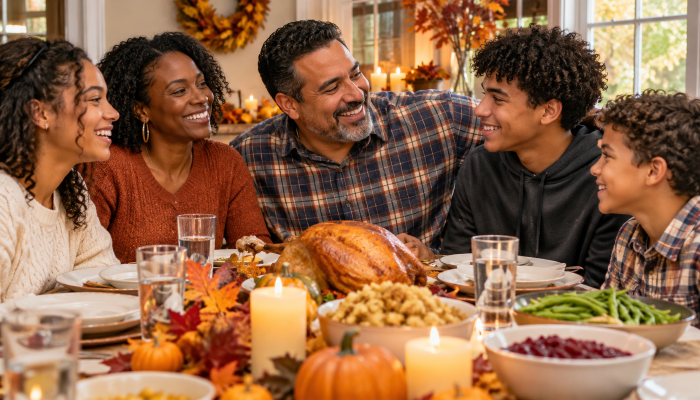
Thanksgiving in a blended family can be a beautiful celebration of love, gratitude, and togetherness. However, bringing different family backgrounds, traditions, and expectations to one table isn’t always easy. For stepdads, the holiday offers a special opportunity to strengthen relationships and help every family member feel they belong.
One child may miss spending Thanksgiving with their biological father. Another may struggle with unfamiliar traditions, while a stepparent wonders how to make everyone feel welcome. Even something as simple as deciding who sits where can stir unexpected emotions.
Fortunately, a meaningful Thanksgiving doesn’t require a perfect family. With patience, understanding, and a willingness to honor everyone’s feelings, you can create a celebration where love matters more than perfection. Here are nine practical ways to make Thanksgiving a time of connection, gratitude, and belonging.
Why Thanksgiving Can Be Complicated for Blended Families
Thanksgiving is often pictured as a happy family gathered around a beautifully decorated table. Everyone smiles, the turkey is perfectly cooked, and nobody argues over the last dinner roll. Real life, of course, looks a little different.
In blended families, Thanksgiving may involve custody schedules, multiple households, and competing family traditions. Children may feel torn between parents, especially when both households want to celebrate on the same day. Meanwhile, grandparents and extended family members may have their own expectations.
Some stepchildren may also experience sadness during the holidays. They might remember Thanksgivings before their parents separated or wish both biological parents could celebrate together. These feelings can surface even when children are happy in their current family.
Feeling sad doesn’t necessarily mean a child dislikes their blended family. Instead, they may be learning to appreciate a new family structure while still grieving what changed. As a stepdad, recognizing these emotions is an important first step toward creating a welcoming holiday.
1. Make Room for Feelings, Not Just People
One of the greatest gifts a stepdad can offer is emotional understanding. A stepchild who seems withdrawn during Thanksgiving dinner may not be ungrateful. Perhaps they’re missing someone, remembering an old tradition, or feeling uncomfortable in an unfamiliar setting.
Rather than demanding enthusiasm, give them permission to experience their feelings. You might say, “I know Thanksgiving used to look different for you. It’s okay to miss those days, and I’m glad you’re here with us.”
That simple acknowledgment can help a child feel understood rather than pressured. It also communicates that their feelings matter, even when those feelings don’t match the holiday’s cheerful atmosphere.
Scripture reminds us of the importance of compassion.
Sometimes, making room at the Thanksgiving table means making room for sadness alongside gratitude. When children feel accepted during difficult moments, they’re more likely to develop trust and emotional security.
2. Honor Old Traditions While Creating New Ones
Every family brings its own Thanksgiving customs. Some watch football, others enjoy board games, and some consider Thanksgiving incomplete without Grandma’s sweet potato casserole. When families blend, those traditions can become surprisingly important.
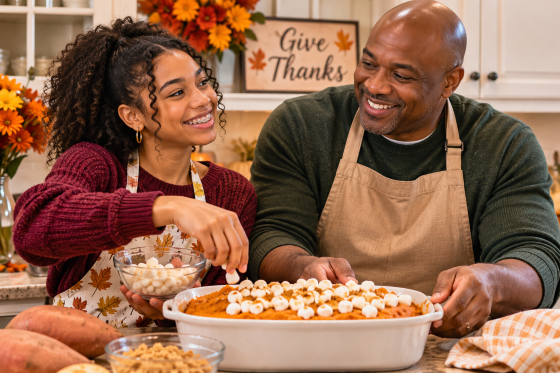
A stepchild may insist on having a particular dish because their grandmother always made it. Another may want to watch the Macy’s Thanksgiving Day Parade because it reminds them of childhood. Although these requests may seem small, they often carry deep emotional meaning.
Instead of replacing familiar traditions, look for ways to preserve them. Ask each family member to share one Thanksgiving custom they’d like to continue. Then invite everyone to suggest something new that could become part of your blended family’s celebration.
Perhaps your family could prepare a favorite dish from each household. You might also start a gratitude jar, enjoy an annual game night, or take a family photograph. Another meaningful tradition could involve volunteering together at a community Thanksgiving dinner.
The goal isn’t to erase the past. It’s to build a future where old memories and new experiences can exist together. A blended family becomes stronger when its members don’t have to choose between honoring yesterday and embracing tomorrow.
3. Remember That Fair Doesn’t Always Mean Equal
Thanksgiving can create difficult decisions about where children spend their time. One household may celebrate at noon, while another gathers in the evening. Grandparents may expect visits, and children may feel responsible for keeping everyone happy.
These arrangements can become especially challenging when parents disagree. Unfortunately, children sometimes find themselves caught between competing expectations. Instead of enjoying the holiday, they may worry about disappointing someone they love.
As a stepdad, resist the temptation to turn Thanksgiving into a competition between households. If your stepchild spends Thanksgiving Day with their other parent, consider celebrating on Friday or Saturday. After all, gratitude isn’t limited to the fourth Thursday in November.
What matters most is the quality of the time you share. Avoid making children feel guilty about spending time elsewhere, and reassure them they’re loved regardless of the holiday schedule.
A child who feels free to love both households is more likely to feel secure in each one. By supporting healthy relationships, you demonstrate that your love isn’t conditional on where they spend Thanksgiving.
4. Give Every Family Member a Meaningful Role
One way to help stepchildren feel included is to invite them to participate in Thanksgiving preparations. However, there’s a difference between assigning chores and making children feel their contributions matter. When children have a voice in family activities, they often develop a stronger sense of belonging.
A younger child might decorate place cards or arrange napkins. A teenager could choose the dinner music, prepare a favorite side dish, or help plan a family activity. These responsibilities give children opportunities to contribute in ways that match their interests and abilities.
Even reluctant participants may become more interested when given choices. For example, instead of saying, “You need to help set the table,” try asking, “Would you rather help with dessert or pick the music for dinner?”
Giving children a choice encourages cooperation and helps them feel valued. Still, don’t force participation if a stepchild isn’t ready. Some children need additional time to become comfortable with new family traditions.
A gentle invitation often accomplishes more than an expectation. Over time, these shared experiences can create memories that help strengthen family relationships.
5. Keep Gratitude Genuine, Not Forced
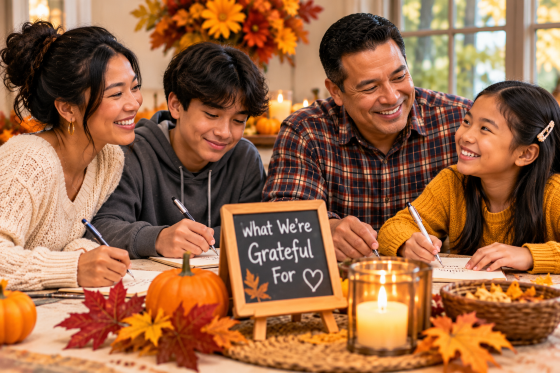
Thanksgiving naturally encourages families to reflect on their blessings. However, asking everyone to announce what they’re thankful for can sometimes create uncomfortable moments. This is especially true for children still adjusting to a blended family.
Imagine a teenager being asked to express gratitude for their new family when they’re still struggling with their parents’ separation. That expectation may feel overwhelming and even unfair. Gratitude should be encouraged, but it shouldn’t become another source of emotional pressure.
Instead, encourage thankfulness in simple, everyday ways. You might invite everyone to share something good that happened during the week. It could be a friendship, a school achievement, or even a favorite meal.
For younger children, a gratitude jar can make the activity more enjoyable. Family members write their blessings on slips of paper and read them together after dinner. Most importantly, allow children to express gratitude in their own words.
Scripture offers a helpful reminder about thankfulness.
Notice we’re encouraged to give thanks in all circumstances, not necessarily for every circumstance. A child doesn’t have to be thankful for divorce, separation, or painful family changes. However, they can still discover blessings and moments of joy within their present circumstances.
That’s an important lesson for adults as well. Gratitude doesn’t require us to deny life’s difficulties. Instead, it helps us recognize God’s goodness even when circumstances aren’t what we hoped they would be.
6. Make Space for Those Who Can’t Be There
Not everyone who matters to your family will be sitting at the Thanksgiving table. A stepchild may be spending the holiday with another parent. A grandparent may live far away, or a family member may be serving overseas.
For some families, Thanksgiving may also bring memories of loved ones who have passed away. These absences can be especially noticeable during holidays centered on family gatherings. Rather than ignoring them, find thoughtful ways to acknowledge the people who are missing.
Encourage children to call or video chat with relatives who can’t attend. Consider including a favorite recipe from an absent family member or sharing a cherished memory. If a child wants to send a Thanksgiving greeting to their other parent, support the gesture.
These small acts communicate something powerful: loving one family member doesn’t require loving another any less. When stepchildren realize they don’t have to hide their affection for other relatives, they often feel more comfortable expressing love within their blended family.
As a stepdad, your willingness to honor these relationships demonstrates emotional maturity. It also teaches children that family love doesn’t have to be limited by household boundaries.
7. Lead With Patience When Things Don’t Go as Planned
Even the most carefully planned Thanksgiving can unravel. The turkey might finish cooking two hours late, someone may arrive in a bad mood, or siblings might argue. A disagreement could interrupt dinner just as everyone begins enjoying themselves.
For stepdads, these moments provide opportunities to demonstrate patient leadership. Responding with understanding can turn a difficult Thanksgiving into an opportunity for connection. A gentle answer may prevent a minor disagreement from becoming an unpleasant holiday memory.
The Bible offers practical guidance.
You don’t have to solve every disagreement or make everyone happy. Sometimes, your greatest contribution is helping the family maintain perspective. A calm response can set the tone for everyone else.
After all, Thanksgiving is about gratitude and relationships, not whether the mashed potatoes have lumps. And if the dog steals a dinner roll, consider it an unexpected contribution to the holiday entertainment.
Years from now, your family may not remember whether the turkey was perfectly cooked. However, they may remember how you responded when things went wrong.
8. Remember the People Beyond Your Table
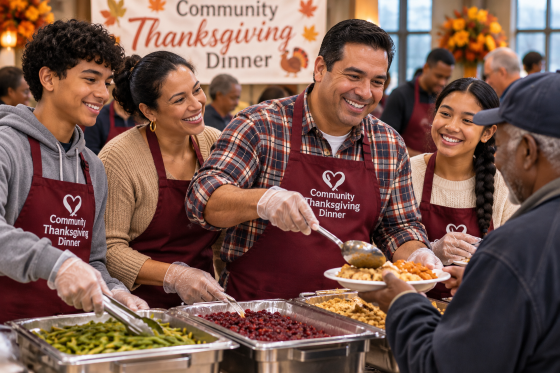
Thanksgiving also provides an opportunity to teach children about generosity. While your family prepares a holiday meal, others in your community may be struggling with loneliness, financial hardship, or the absence of loved ones.
Consider inviting someone who would otherwise spend Thanksgiving alone. You could also prepare a meal for a neighbor, donate food, or volunteer at a local community dinner. These experiences help children understand gratitude extends beyond appreciating what they have.
True gratitude also encourages us to recognize opportunities to bless others. When children see adults serving with kindness and humility, they learn that generosity is an expression of love.
Scripture encourages this spirit of giving.
When children participate in serving others, Thanksgiving becomes more than a family tradition. It becomes a practical lesson in kindness, compassion, and Christian love.
For stepdads, serving alongside stepchildren can create meaningful connections without the pressure of forced conversations. Sometimes, relationships grow strongest when people work together toward a shared purpose.
9. Focus on Belonging, Not Perfection
It’s easy to measure a successful Thanksgiving by appearances. Was the house clean? Did everyone enjoy dinner? Were there any arguments, and did the family photograph turn out well?
However, these questions overlook what matters most. A successful blended-family Thanksgiving isn’t necessarily one where everyone gets along perfectly. It’s one where family members feel respected, welcomed, and loved.
Perhaps your teenage stepson doesn’t join every activity but helps clear the dishes afterward. Maybe your stepdaughter remains quiet during dinner but smiles when you remember her favorite dessert. These may seem like small moments, yet they can represent meaningful progress.
Don’t overlook them while searching for the perfect holiday. Building trust takes time, and Thanksgiving is only one chapter in your family’s story. Each thoughtful gesture adds another opportunity for connection.
Remember that belonging isn’t something you can demand. It’s something you nurture through consistent kindness, respect, and patience.
A Thanksgiving Prayer for Blended Families
Heavenly Father,
Thank You for the gift of family and the many blessings You provide. As we gather this Thanksgiving, help us welcome one another with patience, kindness, and understanding.
Give us compassionate hearts toward those who are hurting or missing loved ones. Help us honor the past while creating new memories filled with love and gratitude.
Guide stepdads as they lead with humility, wisdom, and grace. May every child feel valued, every parent feel supported, and every guest experience the warmth of Your love.
Remind us our greatest blessings aren’t found in the food we prepare or the traditions we follow, but in the relationships we nurture.
In Jesus’ name, Amen.
Final Thoughts: There’s Always Room for Love
Thanksgiving in a blended family may never look exactly like the holiday celebrations portrayed in movies or advertisements. There may be empty chairs, complicated schedules, unfamiliar traditions, and occasional disagreements. Yet, these challenges don’t diminish your family’s ability to experience a meaningful Thanksgiving.
As a stepdad, you have an opportunity to help create an environment where everyone feels they belong. You can honor your stepchildren’s past, respect their relationships, and invite them to participate in building something new.
Most importantly, remember belonging isn’t created by a seating arrangement or a shared last name. It’s built through patience, consistency, respect, and love. These qualities matter long after the Thanksgiving leftovers disappear.
As you prepare for Thanksgiving this year, choose one simple way to make someone feel especially welcome. It might be honoring a favorite tradition, offering a listening ear, or inviting someone who would otherwise spend the holiday alone.
This Thanksgiving, don’t worry about having the perfect family gathered around your table. Focus on making sure everyone knows there’s a place for them in your heart.
Creating a welcoming Thanksgiving is just one way to strengthen your blended family. Discover more practical ways to build trust, encourage connection, and help everyone feel they belong in our article, Making Your Blended Family Feel Like Home.
About the Author
In 1995, Gerardo became a stepdad to two children, a boy and a girl, ages 14 and 10. In 2011, he started Support for Stepdads to help strengthen blended families and reduce the challenges that contribute to family breakdown. His website encourages and supports stepfathers, aspiring stepfathers, and the women who love them worldwide. Follow Support for Stepdads on X and Facebook.