
Making Your Blended Family Feel Like Home
Building Love, Trust, and Belonging Together

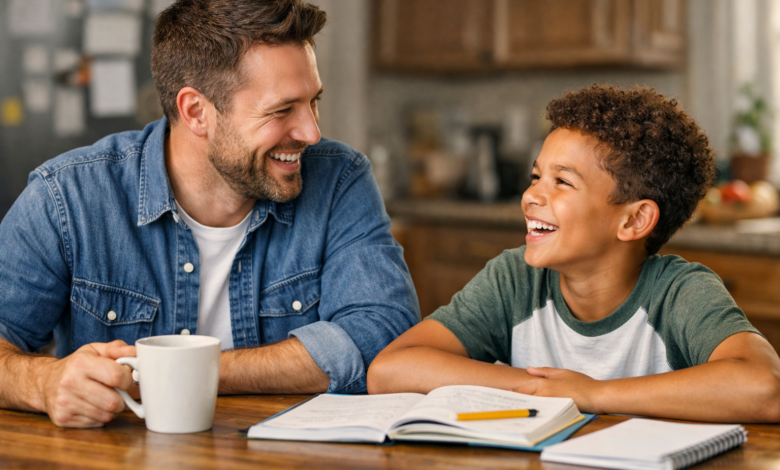
Making your blended family feel like home doesn’t happen overnight. For many stepdads, building a sense of belonging takes patience, understanding, and plenty of love. Even when everyone lives under the same roof, creating a family where each person feels accepted can be challenging.
Blended families bring together different backgrounds, experiences, and expectations. Some stepchildren welcome their stepdad quickly, while others need more time.
Instead, it’s built through everyday acts of kindness, trust, and commitment. Your family may look different from others, but that doesn’t make it any less real or meaningful.
What Makes a Family Feel Like a Real Family?
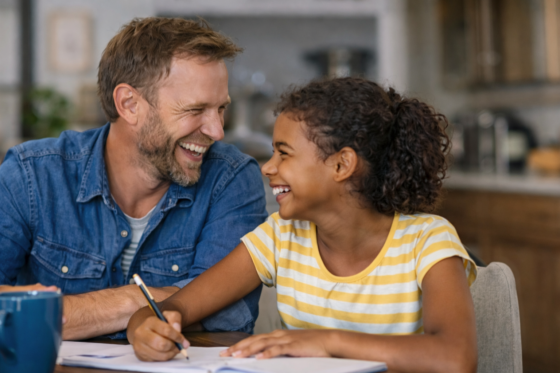
A real family isn’t defined by matching last names, shared genetics, or perfect family photographs. It’s defined by love, commitment, and the willingness to grow together. Sometimes, that growth happens through difficult conversations and unexpected challenges.
Many stepdads enter marriage hoping everyone will quickly become one happy family. Unfortunately, relationships rarely develop that smoothly. Children may struggle with divided loyalties, unresolved feelings, or uncertainty about their new family.
These challenges don’t mean your family is failing. They simply mean everyone needs time to adjust.
Strong family bonds rarely develop overnight. They grow through everyday experiences like helping with homework, attending school events, and sharing household responsibilities.
Blended families face additional emotional challenges, so progress may take longer. Every blended family develops at its own pace. Rather than comparing your progress with other families, focus on the small steps that bring you closer together.
The Stepfamily Is Its Own Unique Creation

Your family may not look like a traditional family, and that’s perfectly fine. Stepfamilies bring together people with different histories, relationships, and expectations. Trying to recreate someone else’s family experience can lead to unnecessary frustration.
Instead, focus on building something meaningful together. Your family has its own story, and every member contributes something valuable.
Every time you prepare dinner together, cheer from the sidelines, or make time for a difficult conversation, you’re strengthening your family. These moments may seem ordinary, but they gradually create a shared sense of belonging.
Practical Ways to Build Unity and Belonging
Building a loving blended family requires more than good intentions. It takes consistent effort, open communication, and a willingness to understand each person’s needs. Fortunately, small actions can make a meaningful difference.
Create New Family Traditions
One of the best ways to strengthen family connections is by creating traditions everyone can enjoy. These activities don’t need to be expensive or elaborate. They simply need to bring people together.
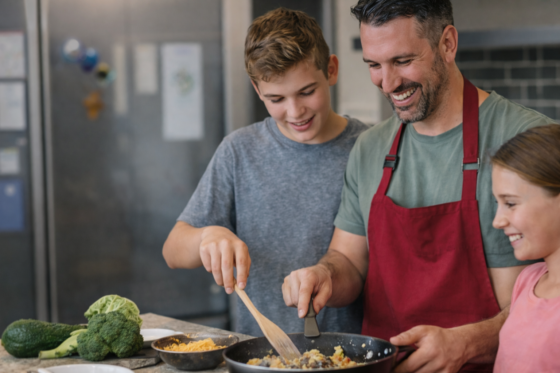
Perhaps your family enjoys Taco Tuesdays, Friday movie nights, or decorating gingerbread houses in December. You might also establish a monthly game night or an annual family outing.
Invite your stepchildren to suggest activities they’d enjoy. When children help plan family traditions, they’re more likely to feel included and valued.
Over time, these shared experiences become familiar and comforting. They also give family members something positive to look forward to.
Honor Old Traditions While Creating New Ones
Building a blended family doesn’t mean leaving every old tradition behind. Your stepchildren may have special memories of holidays, birthdays, or family activities from before you entered their lives. Those memories deserve respect, even when they involve their biological father.
Instead of replacing familiar traditions, look for ways to preserve what matters to your stepchildren. Then invite everyone to help create something new.
For example, your stepdaughter may treasure a Christmas breakfast tradition she shared with her biological father. Rather than changing it, consider preserving that tradition while introducing another activity your household can enjoy together.
When children feel their past is respected, they may become more comfortable embracing their family’s future.
Encourage Shared Activities
Family bonding doesn’t always require serious conversations or organized family meetings. Sometimes, the strongest connections develop during ordinary activities.
Look for opportunities that match your stepchildren’s interests. You might cook together, work on a puzzle, plant a garden, or watch a favorite movie.
The goal isn’t to create a perfect family experience. It’s to spend time together without unnecessary pressure.
Even quiet moments can be meaningful. Sitting beside your stepchild while watching television may accomplish more than an uncomfortable conversation about becoming closer.
Support Individual Relationships
Being a stepdad doesn’t mean replacing your stepchildren’s biological father. Your role is to provide additional love, stability, and encouragement.
Some stepchildren may welcome you immediately, while others remain cautious. Try not to take their hesitation personally. Trust develops through consistent actions, not demands for affection.
Suppose your teenage stepson enjoys basketball but rarely invites you to his games. Instead of pressuring him, ask when his next game is and whether he’d like you to attend.
If he declines, respect his decision. Continue showing interest without making him feel guilty. Over time, your steady support may help him see you as someone he can trust.
It’s equally important to support your spouse’s relationship with their children. Respecting that connection helps create the emotional security children need.
Respect Boundaries and Let Relationships Grow Naturally
Every stepchild has different emotional needs and comfort levels. Some may enjoy hugs and affectionate nicknames, while others prefer more personal space.
Avoid pressuring your stepchildren to call you Dad or express affection before they’re ready. These decisions should develop naturally as relationships grow.
Likewise, respect their relationships with both biological parents. Children shouldn’t feel they must choose between loving their stepdad and remaining loyal to their biological father.
When you respect these boundaries, you demonstrate that your love doesn’t come with conditions.
Remember, a healthy relationship isn’t measured by how often your stepchild hugs you or calls you Dad. It’s measured by the trust, respect, and security you build together.
Practice Flexibility and Patience
Everyone in your blended family brings personal experiences into the household. Your spouse may still be working through past disappointments. Your stepchildren may struggle with divided loyalties, while you may occasionally question whether you’re making a difference.
These feelings don’t disappear overnight. However, patience and understanding can help everyone adjust.
Progress often happens in small, unexpected ways. One day, a stepchild who rarely speaks to you might ask for help with homework. Another day, they may invite you to join a favorite activity.
Celebrate these moments without expecting every interaction to produce immediate results.
Flexibility matters, too. Holidays may be divided between households, schedules may change, and carefully planned activities may fall apart.
A little humor and grace can help everyone handle these disappointments. Sometimes, the ability to laugh together becomes a family tradition of its own.
When Stepfathers Feel Like Outsiders
Even dedicated stepdads sometimes feel like outsiders in their own homes. You may wonder whether your efforts are appreciated or whether your stepchildren will ever fully accept you.
These feelings can be especially difficult when you’ve invested considerable time, energy, and love into your family.
However, your value isn’t determined by how quickly your stepchildren respond. What matters is your willingness to remain patient, dependable, and loving.
Building relationships takes time. Some families develop close bonds relatively quickly, while others need years to establish trust.
Continue showing up, even when progress seems slow. Your stepchildren may not always express appreciation, but your steady presence can still make a meaningful difference.
A kind word, a listening ear, or a willingness to help may become more important than you realize.
Gratitude Helps Turn a House Into a Home
One simple way to strengthen blended family relationships is to practice gratitude. When family members feel appreciated, they’re more likely to feel valued and included.
Look for opportunities to recognize your spouse’s and stepchildren’s contributions. Thank your stepson for helping with dinner or acknowledge your stepdaughter’s thoughtfulness toward a younger sibling.
Encourage everyone to express appreciation without making it another household obligation.
For example, consider inviting each family member to share something they’re thankful for during a weekly dinner. Keep the conversation relaxed and allow everyone to participate voluntarily.
These small expressions of gratitude can gradually create a more positive family atmosphere. They also remind everyone that their contributions matter.
Your Family, Your Way
What makes a family real isn’t how it begins. It’s how its members learn to love, support, and respect one another.
Your blended family doesn’t need matching last names, years of shared memories, or perfect relationships to belong together. Every family faces challenges, and every family has opportunities to grow.
Making your blended family feel like home isn’t about creating the perfect household. It’s about helping everyone feel valued, respected, and loved. Some days will be challenging, but every act of patience and kindness helps build a stronger foundation.
This week, choose one simple way to strengthen your family connection. Share a meal without distractions, spend time with a stepchild, or start a tradition everyone can enjoy.
Remember, you don’t have to build the perfect family. You only need to keep building a loving one.
Building a loving blended family takes patience, understanding, and a willingness to grow together. If you’re looking for more ways to strengthen your relationships, explore our articles, Building Trust With Your Stepson and Building Trust With a Stepdaughter: What Every Stepdad Needs to Know. Both offer practical guidance for developing stronger, more meaningful connections with your stepchildren.
About the Author
In 1995, Gerardo became a stepdad to two children, a boy and a girl, ages 14 and 10. In 2011, he started Support for Stepdads to help strengthen blended families and reduce the challenges that contribute to family breakdown. His website encourages and supports stepfathers, aspiring stepfathers, and the women who love them worldwide. Follow Support for Stepdads on X and Facebook.