
Raising Grateful Kids In A Blended Family
Eight Practical Ways to Nurture Thankful Hearts

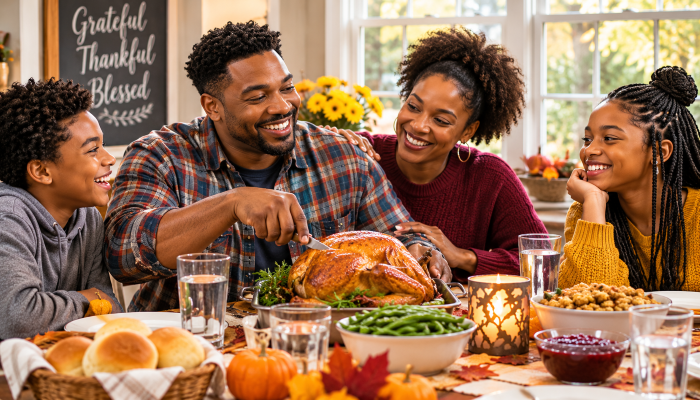
Raising grateful kids in a blended family takes patience, understanding, and a little creativity. Different household rules, family traditions, and emotional challenges can make teaching gratitude difficult. One child may appreciate having a new sibling, while another still wishes Mom and Dad lived together. However, gratitude isn’t about pretending everything is perfect. It’s about helping children recognize everyday blessings, appreciate others, and develop thankful hearts.
Fortunately, gratitude can grow through simple, everyday actions. From creating family traditions to serving others, stepdads can help children develop a lasting attitude of thankfulness. Here are eight practical ways to encourage gratitude while strengthening relationships in your blended family.
For example, a stepdad might encourage his stepchildren to thank their mom for preparing dinner or appreciate a sibling who helped with homework. These small acts of gratitude can strengthen family bonds and teach children that kindness deserves recognition. Scripture also reminds us that thankfulness and family unity go hand in hand.
Although this instruction is brief, its message is powerful. Gratitude begins with recognizing the people and blessings God places in our lives. For blended families, that means appreciating each person’s contributions while allowing relationships to grow naturally. When stepdads model thankfulness through their words and actions, they help create a home where everyone feels valued.
Why Gratitude Matters in a Blended Family
Gratitude is more than good manners. It’s a way of viewing life that helps children appreciate what they have instead of focusing only on what they don’t have.
In blended families, this perspective can be especially valuable. Children may compare their new family with their previous one. They might resent sharing attention, bedrooms, or holiday traditions. Some may even feel guilty about enjoying time with a stepparent.
These feelings are normal. However, gratitude can help children recognize the good things in their present circumstances without denying their past experiences.
A grateful child learns to appreciate kindness, recognize sacrifices, and acknowledge the people who care for them. Over time, these habits can strengthen family relationships.
The Bible reminds us:
Notice Scripture encourages us to give thanks in all circumstances, not necessarily for every circumstance. There’s an important difference. A child doesn’t have to be thankful for their parents’ divorce to appreciate the love and support they receive afterward.
Gratitude doesn’t mean ignoring pain or pretending everything is perfect. Instead, it means recognizing God’s blessings, even during difficult times. That’s an important distinction for blended families facing difficult transitions.
Model the Gratitude You Want to See
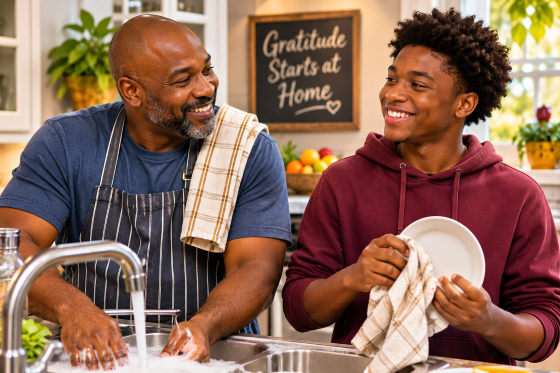
Children learn far more from what we do than from what we say. If you want grateful stepchildren, begin by showing gratitude yourself.
Thank your spouse for preparing dinner. Express appreciation when your stepchild helps with chores. Recognize the cashier, delivery driver, or server who helps your family.
These everyday moments demonstrate that gratitude isn’t reserved for special occasions.
For example, imagine your stepson takes out the trash without being asked. Instead of treating it as something he should automatically do, say, “Thanks for taking care of that. I appreciate your help.”
Of course, there’s no need to throw a parade because someone remembered the garbage cans. A sincere thank-you will do just fine!
Also, let your children hear you thanking God for His blessings. Your example can teach them that gratitude is a daily practice rather than a Thanksgiving tradition.
Make Room for Difficult Feelings
One mistake parents sometimes make is expecting gratitude to replace disappointment.
Imagine your stepdaughter says, “I wish we could spend Thanksgiving at Dad’s house like we used to.”
Responding with “You should be grateful for what you have” may leave her feeling misunderstood.
Instead, acknowledge her feelings.
“I understand you miss those Thanksgivings. Those memories are important. What was your favorite part?”
This response opens the door to conversation rather than closing it.
Children can appreciate their current family while missing their previous traditions. Both feelings can exist together.
As a stepdad, your willingness to listen may be one of the greatest gifts you give your stepchildren.
Create Simple Family Gratitude Traditions
Family traditions help children develop a sense of belonging. Fortunately, gratitude traditions don’t need to be expensive or elaborate.
Consider introducing a few activities your family can enjoy together.
The Gratitude Jar
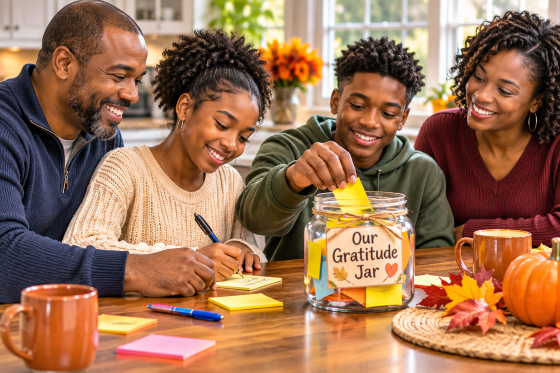
Place a jar in the kitchen with small pieces of paper nearby. Encourage everyone to write down something they’re thankful for throughout the week.
At Sunday dinner, read several notes aloud. Some responses may surprise you.
One child might appreciate a good grade. Another may be thankful for the family dog. Meanwhile, Dad might express gratitude that someone finally replaced the empty toilet paper roll!
Three Good Things
During dinner, invite each family member to share three positive things about their day.
Keep participation voluntary, especially for children who are still adjusting to the blended family.
A Thanksgiving Memory Book
Create a scrapbook filled with photographs, drawings, and favorite family memories. Include traditions from both sides of the family.
This approach honors the children’s history while helping everyone create new memories together.
Teach Gratitude Through Serving Others
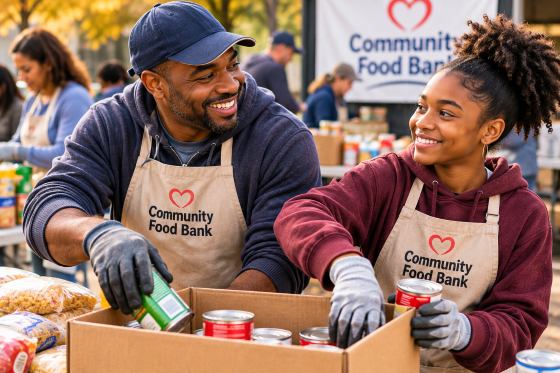
One of the most effective ways to nurture gratitude is by helping children serve others.
When children experience the joy of giving, they begin to understand that blessings aren’t meant to be kept to themselves.
As Thanksgiving approaches, consider volunteering at a community dinner, collecting food for a pantry, or preparing care packages for people in need.
Even younger children can participate by choosing canned goods, making greeting cards, or helping organize donations.
Afterward, talk about the experience. Ask what they noticed, how they felt, and what they learned.
The goal isn’t to make children feel guilty because others have less. Instead, help them recognize opportunities to share their blessings.
Scripture encourages this attitude:
Serving together also creates shared experiences. These moments can help stepdads and stepchildren build relationships without forcing emotional closeness.
Avoid Comparing Children or Households
Blended families often involve different homes, parenting styles, and financial circumstances.
Perhaps your stepchildren receive expensive gifts at their other parent’s house. Maybe their biological parent allows more screen time or fewer chores.
It’s tempting to respond by reminding them how fortunate they are in your home.
However, comparisons rarely inspire genuine gratitude. More often, they create resentment or divided loyalties.
Instead, focus on the values you want your household to reflect.
You might say, “Every family does things differently. In our home, we try to appreciate what we have and treat one another with kindness.”
Avoid criticizing the other household or competing for the children’s affection through gifts.
Remember, your role isn’t to win a popularity contest against another parent. It’s to become a steady, trustworthy presence in your stepchildren’s lives.
Help Children Appreciate People, Not Just Possessions
Ask a child what they’re thankful for, and you may hear about video games, bicycles, smartphones, or favorite toys.
There’s nothing wrong with appreciating possessions. However, gratitude becomes more meaningful when children recognize the people behind their blessings.
Encourage your stepchildren to thank someone who has made a difference in their lives.
They could write a note to a teacher, call a grandparent, or thank a sibling for helping with homework.
You can also encourage them to recognize small acts of kindness within the family.
For instance, a teenager might thank a younger stepsibling for cheering at a soccer game. A stepdaughter might appreciate her stepdad attending a school performance.
These expressions of gratitude help children understand that relationships matter more than material things.
Make Gratitude Part of Everyday Conversations
Thanksgiving shouldn’t be the only time your family discusses gratitude.
Look for natural opportunities throughout the year.
When your family enjoys a beautiful sunset, mention how thankful you are for God’s creation. When someone recovers from an illness, express appreciation for their improving health.
And when a family member experiences disappointment, help them identify something positive without minimizing the difficulty.
You might ask, “What’s one thing that went well today?”
Keep these conversations relaxed. Children shouldn’t feel they’re taking a gratitude exam every evening.
After all, nobody wants to hear, “Before you leave the table, please submit three blessings in complete sentences!”
Humor can make these discussions enjoyable, especially with teenagers who might otherwise roll their eyes.
The Bible offers another reminder:
Gratitude rooted in faith reminds children that God’s goodness remains constant, even when family circumstances change.
Celebrate Progress Instead of Expecting Perfection
Raising grateful children takes time. Some days, your stepchildren will express appreciation freely. Other days, they may complain about dinner, chores, or having to share the television remote.
Don’t mistake occasional complaining for a failure to teach gratitude.
Children are still developing emotional awareness, empathy, and self-control.
When your stepchild expresses appreciation, acknowledge it naturally. When they act entitled, address the behavior calmly and explain your expectations.
Most importantly, avoid making gratitude a condition of your love.
Your stepchildren should know they’re valued even when they struggle to express appreciation.
As Paul reminds us:
Stepparenting requires patience. The lessons you teach today may not become visible until years later.
A Grateful Heart Begins at Home
Raising grateful kids in a blended family isn’t about creating children who never complain. It’s about helping them appreciate life’s blessings while learning kindness, generosity, and respect.
As a stepdad, you have a wonderful opportunity to model these values through everyday actions.
Start small. Thank your spouse. Listen to your stepchildren. Celebrate acts of kindness. Pray together when appropriate, and create traditions everyone can enjoy.
Above all, remember that gratitude cannot be forced. It grows through love, patience, and consistent example.
This Thanksgiving, your family may not have everything figured out. There may still be awkward conversations, competing traditions, and disagreements over who gets the last slice of pumpkin pie.
That’s okay.
A grateful family isn’t a perfect family. It’s a family learning to recognize God’s blessings while growing together, one day at a time.
Keep Building Stronger Family Bonds
Gratitude and trust go hand in hand. When children feel respected and appreciated, they’re more likely to develop stronger family connections. For more practical encouragement, read Building Trust With A Stepdaughter: What Every Stepdad Needs To Know and Building Trust With Your Stepson: 9 Ways To Earn Respect And Strengthen Your Bond discover ways to strengthen your relationship through patience, understanding, and everyday acts of love.