
How To Be A Good Stepdad: 15 Proven Tips For Building Strong Relationships With Your Stepchildren – Part I
Practical Advice for Stepdads seeking to build Stronger Relationships, earn Trust, and create a Healthier Blended Family


In 2010, the number of blended families exceeded the number of traditional nuclear families in the United States. Today, it’s increasingly common for a man to fall in love with a woman who already has children from a previous relationship. While you may not be their biological father, you still play an important role in their lives because of your relationship with their mother and your presence as an adult in the household.
Figuring out exactly how to handle that responsibility can feel like walking a difficult line between stranger and family member. The transition can be challenging for everyone involved.
There is a reason the “wicked stepmother” stereotype has remained so prominent in stories and popular culture. Children often worry about a new adult entering their lives and changing the family they once knew. As a result, they may react with uncertainty, resistance, or even anger.
Fortunately, becoming a successful stepdad doesn’t require perfection. It requires patience, consistency, understanding, and a willingness to build relationships over time.
If you’re wondering how to be a good stepdad, these proven tips can help you build trust, strengthen your blended family, and develop meaningful relationships with your stepchildren.
1. Talk To The Children’s Mother About Your Role
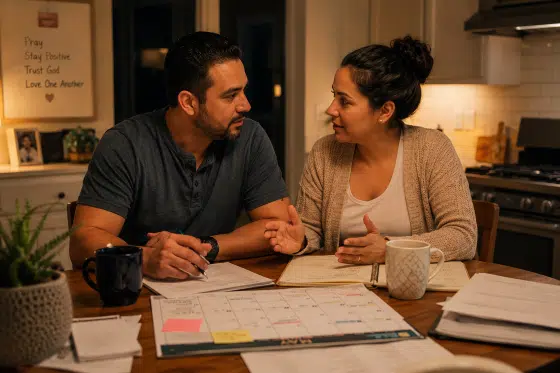
One of the most important conversations you can have as a new stepdad is with your spouse.
In many households, the biological parent remains the primary disciplinarian. Sometimes this happens because children are more comfortable receiving correction from their parent. Other times, it helps avoid the familiar phrase, “You’re not my dad.”
First and foremost, you and your spouse need to discuss expectations. What role will you play in discipline? How will chores be handled? What happens when rules are broken? How will you respond when children test boundaries?
Research suggests that discipline is often most effective when the biological parent takes the lead until a stronger bond develops between the stepparent and child.
Furthermore, a united parenting approach reduces confusion and prevents children from playing one adult against the other. When parents communicate regularly and support each other’s decisions, children feel more secure and understand that household expectations are consistent.
The goal isn’t to replace a parent. The goal is to become a trusted member of the parenting team.
2. Choose Your Battles Wisely
Children naturally test boundaries. Stepparents often experience this even more intensely.
A child may ignore requests, leave dishes in the sink, forget chores, or challenge household rules. While these situations can be frustrating, not every issue deserves a major confrontation.
Before reacting, ask yourself an important question: Will this matter six months from now?
Sometimes protecting the relationship is more important than winning an argument.
Of course, issues involving safety, respect, honesty, or harmful behavior must be addressed. However, matters involving personal preferences, clothing styles, messy bedrooms, or minor annoyances often require flexibility.
Your stepchildren are trying to determine what kind of person you are. They are watching how you handle disappointment, conflict, and frustration.
Consequently, every interaction becomes an opportunity to build trust or create distance.
Choose your battles carefully. The long-term relationship is often far more valuable than short-term compliance.
3. Be Supportive And Positive
Children thrive when they feel noticed, valued, and encouraged.
Congratulate your stepchild when they earn a good grade. Attend their sporting events. Ask about their hobbies. Listen when they talk about school, friends, or activities.
In addition, celebrate effort as much as achievement.
Not every child wins trophies or earns straight A’s. However, hard work, perseverance, and personal growth deserve recognition.
Many stepchildren initially downplay compliments or appear uncomfortable receiving encouragement from a stepparent. That’s normal. They’re still figuring out the relationship.
Keep showing up.
Keep encouraging.
Keep expressing interest.
Over time, your consistency communicates something powerful: “I care about you.”
Sometimes a simple “I’m proud of you” can have a lasting impact.

4. Recognize Emotions—Both Theirs And Your Own
Blended families experience a wide range of emotions.
Children may feel sadness, anger, confusion, loyalty conflicts, disappointment, or fear. They may miss their biological parent or struggle to adjust to new family dynamics.
Likewise, stepdads experience emotions too.
You may feel rejected when your efforts aren’t appreciated. You may feel frustrated when progress seems slow. You may wonder whether you’re making any difference at all.
Recognizing these emotions is essential.
Allow your stepchildren to express how they feel without immediately trying to fix the situation. Sometimes they simply need someone to listen.
Research consistently shows that emotional safety helps strengthen family relationships and trust.
The more emotionally honest and supportive you become, the more likely your stepchildren will feel comfortable opening up to you.
5. Put Punishment Into Perspective
Punishment and discipline are not the same thing.
Punishment focuses on consequences. Discipline focuses on teaching.
Therefore, instead of asking, “How do I make them pay for this mistake?” ask, “How do I help them learn from this experience?”
Children respond best when expectations are clear and consequences are predictable.
Family meetings can be helpful. Discuss rules together. Explain why rules exist. Establish reasonable consequences ahead of time.
When everyone understands the expectations, enforcing those expectations becomes much easier.
Most importantly, remember that children are more receptive to correction when they know they are loved.
Connection creates influence.
Trust creates cooperation.
Fear creates resistance.
6. Focus On Connection Before Correction
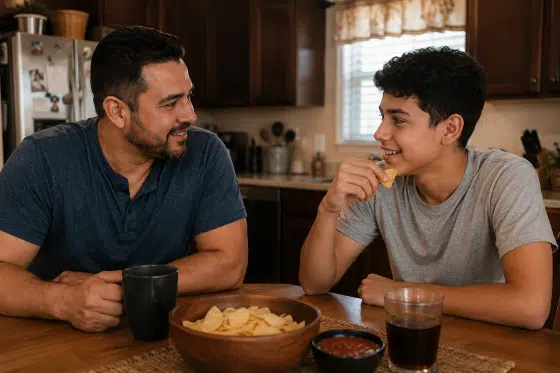
One of the most important principles in successful stepfamilies is connection before correction.
Experts repeatedly emphasize that stepparents should focus on building relationships before assuming a major disciplinary role.
Spend time talking.
Listen to their stories.
Attend activities.
Show interest in their world.
The stronger your relationship becomes, the more likely your guidance will be accepted later.
Trust isn’t demanded. It’s earned.
And earning trust takes time.
7. Don’t Try To Replace Their Father
One common mistake among new stepdads is trying to fill the role of “Dad” too quickly.
Children often remain emotionally connected to their biological father, regardless of the circumstances.
Instead, reassure your stepchildren that you’re not trying to replace anyone.
You can be another trusted adult, mentor, supporter, and role model in their lives.
Avoid criticizing their father.
Avoid comparisons.
Avoid forcing loyalty choices.
Children should never feel they must choose between caring about you and loving their parent.
Final Thoughts
Becoming a successful stepdad rarely happens overnight.
Instead, it happens through hundreds of small moments – conversations, encouragement, patience, listening, and showing up when it matters most.
The first step toward becoming a great stepdad is understanding your role within the family. By working closely with your spouse, choosing your battles wisely, offering consistent support, recognizing emotions, focusing on teaching rather than punishment, building connection before correction, and respecting your stepchild’s relationship with their biological father, you create an environment where trust can grow naturally.
Most stepchildren are not looking for perfection. They are looking for consistency. They want to know whether you’ll still be there tomorrow, next week, and next year.
Therefore, don’t become discouraged if progress seems slow. Relationships in blended families are built one interaction at a time.
Remember, every meaningful bond begins with trust, and trust takes time.
In Part II scheduled for Sunday, we’ll explore additional practical strategies that can help stepdads strengthen family relationships, avoid common pitfalls, and continue building a healthy blended family for the long term.