
Managing Anger In Blended Families Without Hurting Relationships
Learning to Respond With Patience, Grace, and Emotional Wisdom in a Blended Home

Introduction
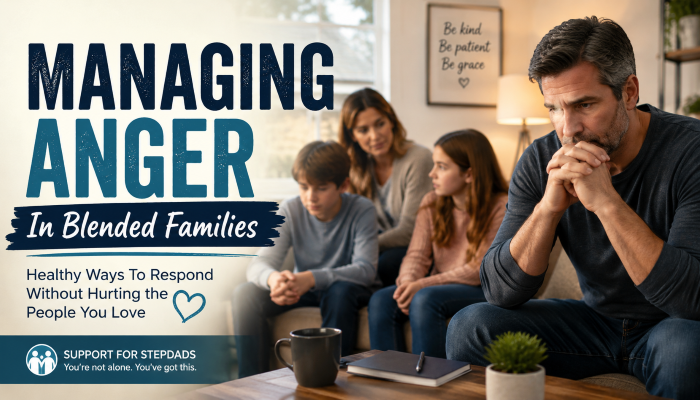
Blended families can be full of love, growth, and second chances. However, managing anger in blended families can become difficult when emotional stress, parenting differences, and unresolved pain begin affecting daily family life.
Between parenting differences, loyalty conflicts, co-parenting stress, and unresolved pain from previous relationships, anger can quietly build beneath the surface. As a result, many stepdads begin feeling emotionally exhausted, misunderstood, or disconnected from the people they love most.
For many stepdads, these emotions become overwhelming. You may feel unappreciated, disrespected, or emotionally drained despite your best efforts. Nevertheless, learning healthy ways of managing anger in blended families can help protect your relationships and create a more peaceful home environment.
Why Anger Often Feels Stronger in Blended Families

Anger in blended families is rarely about one single moment. More often, it develops from accumulated frustration, disappointment, emotional fatigue, and blended family conflict that builds slowly over time.
Additionally, stepdads may feel hurt because their efforts go unnoticed. At the same time, biological parents may feel caught between loyalty to their children and loyalty to a spouse. Consequently, even small disagreements can become emotionally charged.
Common blended family challenges that trigger anger include:
• Different parenting styles
• Discipline disagreements
• Feeling left out in family decisions
• Co-parenting conflicts with an ex
• Financial stress
• Lack of appreciation
• Feeling like an outsider as a stepdad
• Emotional exhaustion from trying to hold everything together
Unfortunately, many men silently carry these burdens alone. Eventually, bottled-up emotions often appear as irritation, withdrawal, sarcasm, or explosive anger. Therefore, emotional awareness becomes critically important.
Support for Stepdads Starts With Understanding Your Triggers
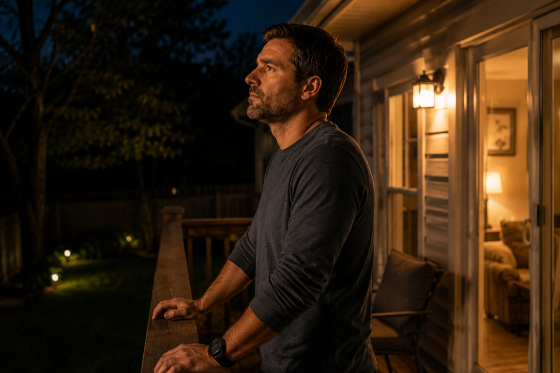
One of the healthiest things you can do is identify what actually triggers your anger. In many cases, anger isn’t truly about the situation itself. Instead, it often reflects deeper emotions such as hurt, rejection, fear, embarrassment, or loneliness.
For example, a child ignoring your advice may trigger feelings of disrespect. Likewise, your spouse defending the children may make you feel unsupported or emotionally isolated.
For this reason, understanding emotional triggers becomes one of the most important skills in blended family conflict resolution. When you recognize the deeper emotion, you can respond with wisdom instead of reacting impulsively.
Healthy Ways To Manage Anger in Blended Families
Learning how to regulate anger doesn’t mean suppressing your emotions. Instead, it means handling them in ways that protect your relationships rather than damage them.
1. Pause Before Responding
When emotions rise, your first reaction is rarely your best reaction. Instead of immediately responding during conflict, take a moment to breathe, pray, or step away briefly. Even a short pause can prevent hurtful words you may later regret.
Furthermore, healthy anger management teaches children how mature adults handle conflict.
2. Communicate Feelings Without Attacking
Healthy communication focuses on expressing feelings instead of assigning blame. For example, instead of saying, “Your kids never respect me,” try saying, “I sometimes feel discouraged and disconnected.”
That small shift reduces defensiveness and opens the door for honest conversation. Additionally, children are more likely to respond positively when they don’t feel attacked or criticized.
3. Don’t Discipline From a Place of Rage
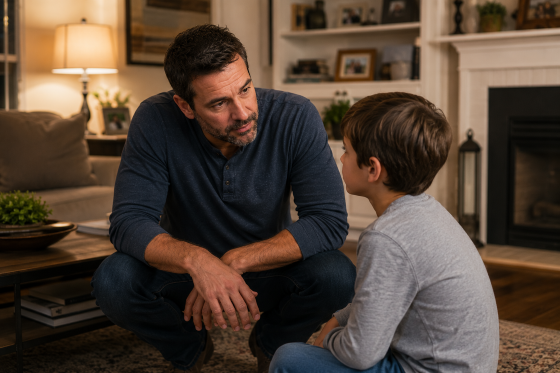
If you’re extremely angry, step away before attempting discipline. Discipline delivered through anger often creates fear, resentment, and emotional distance.
Instead, focus on consistency, calmness, and teamwork with your spouse.
4. Protect Your Mental and Emotional Health

Many stepdads ignore their own emotional needs. Unfortunately, unresolved stress eventually affects the entire household.
Stepdad mental health matters. That means getting enough rest, exercising regularly, talking with trusted friends, spending time with God, seeking counseling if needed, and taking breaks when emotionally overwhelmed.
When Feeling Like an Outsider as a Stepdad Leads to Anger
One of the deepest emotional wounds many men experience is feeling left out in family life. Perhaps family traditions existed before you arrived. Meanwhile, the children may still compare you to their biological father.
Over time, these situations can create resentment and blended family conflict if left unaddressed. Nevertheless, many stepdads continue showing up consistently despite feeling emotionally disconnected.
Instead of isolating yourself, talk honestly with your spouse about your struggles. Healthy marriages require emotional transparency. Likewise, remember that bonding with stepchildren often takes longer than expected. Trust grows slowly through consistency, patience, and presence.
Blended Family Emotional Struggles Affect Everyone

It’s important to remember anger impacts the entire family system. Children often absorb emotional tension even when adults think they’re hiding it well. Consequently, constant conflict can create anxiety, insecurity, or behavioral problems.
Conflict resolution in blended families requires patience, emotional awareness, and consistent communication. While disagreements are unavoidable, families that prioritize emotional safety often build stronger long-term relationships.
Moreover, children benefit greatly when adults model calm communication during stressful situations.
Practical Steps for De-Escalating Conflict

Most importantly, small emotional adjustments during tense moments can prevent long-term relational damage.
Top 5 Anger Management Strategies for Blended Families:
• Pause conversations when emotions become overwhelming
• Lower your voice instead of raising it
• Pray before responding during tense situations
• Focus on solving the problem instead of winning the argument
• Reconnect later with calm conversation and reassurance
These simple habits may seem small. However, over time they can completely change the emotional atmosphere within your family.
Why Family Meetings Matter
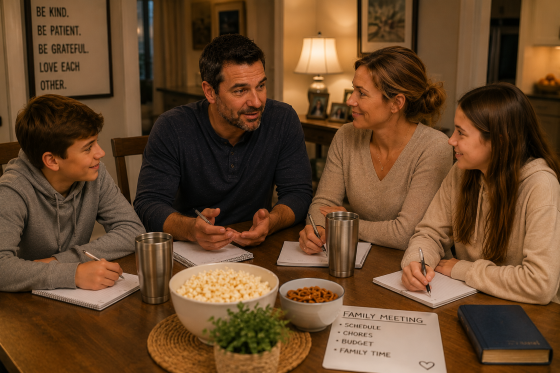
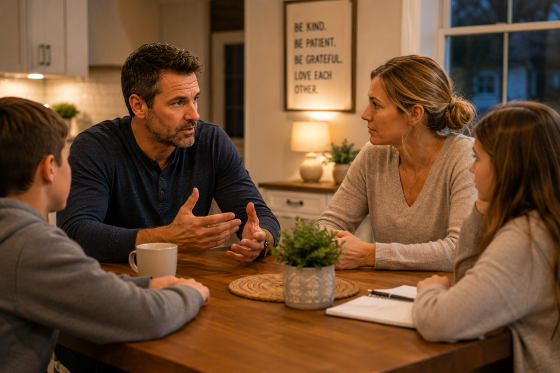
One of the healthiest habits blended families can develop is holding regular family meetings. These meetings don’t need to feel formal or uncomfortable. In fact, simple weekly check-ins can help prevent small frustrations from becoming major emotional explosions.
Family meetings give everyone an opportunity to speak honestly, share concerns respectfully, and celebrate progress together. They also help children feel heard, valued, and emotionally safe.
For stepdads, these conversations can reduce feelings of being an outsider in the family. Instead of problems building quietly over time, issues can be addressed earlier and in a calmer, more productive way.
God’s Grace Covers Imperfect Families

Every blended family has difficult moments. There will be misunderstandings, frustrations, and emotional setbacks along the way. Still, anger doesn’t have to destroy your relationships.
With patience, prayer, communication, emotional maturity, and support for stepdads, families can grow stronger through challenges instead of becoming divided by them.
Because sometimes the strongest thing a man can do isn’t raising his voice. It’s choosing peace when anger would be easier.