
Finding Authentic Relationships In Families: Helping Our Children Reconnect
From Screens to Connection: Building Authentic Relationships in your Family

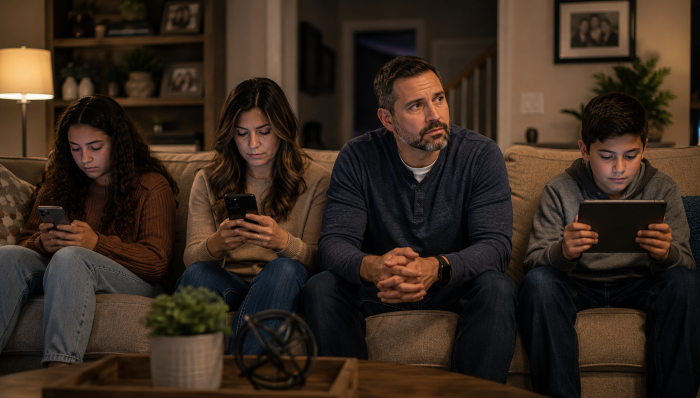
We live in a world where people can instantly connect with someone across the globe, yet many children and teens feel lonelier than ever. In his book, Am I Doing This Right, Pastor Greg Laurie recently addressed this growing issue by pointing out that although we are more digitally connected than any previous generation, finding authentic relationships are becoming harder to develop.
For many parents and stepparents, this problem is showing up right inside their homes. Kids spend hours online, yet struggle with face-to-face conversation. Families sit together in the same room while everyone stares at separate screens. Arguments happen through text messages instead of respectful conversations. Friendships form quickly online and disappear just as fast.
Many parents are asking an important question:
The good news is this condition isn’t hopeless. Parents still have tremendous influence. With intentional effort, families can rebuild authentic relationships and teach children how to connect in healthy, meaningful ways.
How We Got Here
1. Technology Replaced Face-to-Face Interaction
Technology itself isn’t evil. Smartphones, gaming, and social media can help people stay connected. However, many children now spend more time interacting through screens than through real conversation.
Pastor Laurie noted many modern relationships happen through “likes,” comments, and carefully curated online posts. While these interactions create the appearance of connection, they often lack emotional depth.
Children today can communicate constantly without ever learning critical relational skills such as:
-
Reading body language
-
Handling disagreement respectfully
-
Showing empathy
-
Listening attentively
-
Managing awkward moments
-
Working through conflict
As a result, many young people feel socially anxious in real-life situations even though they’re highly active online.

2. Families Became Busier and More Fragmented
Modern life moves fast. Parents work long hours. Kids participate in multiple activities. Blended families often juggle complicated schedules between households.
Because everyone feels exhausted, screens frequently become the easiest form of entertainment and escape.
Sadly, many families no longer share:
-
Regular meals together
-
Meaningful conversations
-
Family devotions
-
Game nights
-
Uninterrupted quality time
Over time, emotional distance quietly grows inside the home.
3. Conflict Avoidance Became Normal
One of the biggest problems Pastor Laurie identified is that many people now walk away from relationships instead of learning how to work through disagreements.
Social media encourages quick reactions rather than thoughtful discussion. Blocking, unfollowing, and ghosting have replaced patience and reconciliation.
Unfortunately, children are learning these habits early.
Instead of developing emotional resilience, many kids avoid uncomfortable conversations entirely. This becomes especially dangerous in blended families where misunderstandings and hurt feelings naturally occur from time to time.
4. Culture Promotes Image Over Authenticity
Many children feel enormous pressure to appear happy, successful, attractive, or popular online.
They compare their real lives to everyone else’s highlight reels.
As a result:
-
Anxiety increases
-
Self-worth declines
-
Depression rises
-
Authenticity disappears
Children become afraid to be vulnerable because they’re constantly performing for an audience.
Yet God never designed us to live behind masks.
Real relationships require honesty, humility, and emotional openness.
How This Impacts Blended Families
This issue can become even more challenging in stepfamilies.
Many stepchildren already struggle with:
-
Trust issues
-
Loyalty conflicts
-
Emotional walls
-
Fear of rejection
-
Difficulty expressing emotions
When digital communication replaces real conversation, these problems often deepen.
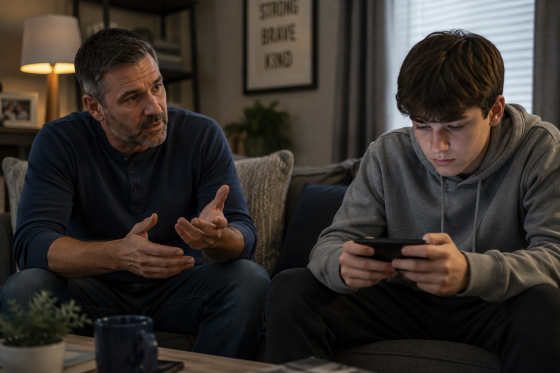
A teen stepdaughter may spend hours online while emotionally shutting out her stepdad. A stepson may retreat into gaming rather than discussing anger or confusion about family changes.
Meanwhile, parents sometimes mistakenly believe their child is “fine” simply because they’re quiet and occupied.
But silence doesn’t always mean peace.
Sometimes it means disconnection.
What Parents Can Do to Reverse This Trend
The solution isn’t simply taking phones away. Children need something better to replace what screens currently provide.
They need authentic connection.
1. Rebuild Face-to-Face Family Time
Children desperately need consistent personal interaction with parents.
That doesn’t require perfection. It requires presence.
Start small:
-
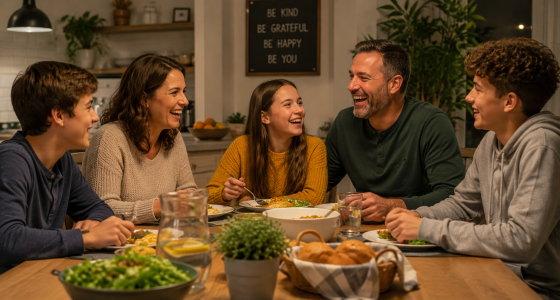
Eat dinner together several nights each week
-
Take walks together
-
Drive without devices
-
Create weekly family nights
-
Ask open-ended questions
-
Listen more than you lecture
The goal is emotional safety.
Children open up when they feel heard instead of constantly corrected.
This verse may be one of the most important parenting principles in Scripture.
2. Teach Conflict Resolution Skills
Many children have never been taught how to navigate disagreement in healthy ways.
Parents must model:
-
Calm communication
-
Respectful disagreement
-
Apologizing
-
Patience
Your children are watching how you handle stress, marriage conflict, co-parenting struggles, and disagreements inside the home.
They learn relational habits from what you consistently demonstrate.
Strong relationships aren’t built by avoiding problems. They’re built by working through them together.
3. Limit Screens Without Creating a Power Struggle
Completely banning technology often backfires. Instead, parents should establish healthy boundaries.

Consider:
-
No phones during meals
-
Device-free bedrooms at night
-
Family conversations before screen time
-
Weekly outdoor activities
-
Encouraging hobbies and sports
-
Limiting social media for younger children
Children quickly notice when parents say, “Put your phone away,” while constantly staring at their own devices.
4. Create Opportunities for Real Connection
Authentic relationships grow through shared experiences.
In blended families especially, bonding often happens naturally during ordinary moments rather than forced conversations.
Some simple ideas include:
-
Cooking together
-
Playing games
-
Working on projects
-
Serving others together
-
Attending church as a family
-
Taking short trips
-
Exercising together
These moments build trust over time.
Many stepdads make the mistake of trying to force emotional closeness too quickly. Relationships usually develop best through consistency, patience, and shared life experiences.
5. Help Children Build Their Identity in Christ
One reason children become obsessed with online validation is because they’re searching for identity and acceptance.
When identity comes from social media, popularity, appearance, or peer approval, insecurity follows.
Children need to understand that their true worth comes from God.
Kids who understand their God-given value are less dependent on online approval.
They’re also more capable of building genuine relationships because they aren’t constantly trying to impress others.
6. Make Your Home Emotionally Safe
Children won’t open up if they fear judgment, anger, or constant criticism.
This is especially important in blended families where emotional wounds may already exist.
An emotionally safe home includes:
-
Grace
-
Patience
-
Encouragement
-
Consistency
-
Calm correction
That doesn’t mean there are no rules. It means children know they are loved even when mistakes happen.
Words shape the emotional climate of a home.
Parents Must Fight for Connection
Authentic relationships rarely happen accidentally anymore.
Modern culture constantly pulls families apart through busyness, distraction, entertainment, and digital overload.
Parents must intentionally fight for connection.
That fight may involve:
-
Turning off the television
-
Putting down the phone
-
Scheduling family time
-
Having uncomfortable conversations
-
Listening patiently
-
Showing grace repeatedly
The effort is worth it.
Children don’t primarily need perfect parents.
They need emotionally available parents.
Final Thoughts
Pastor Greg Laurie was right to sound the alarm about the growing loss of authentic relationships in our culture.
Many children today are surrounded by digital connection while starving for emotional connection.
Parents and stepparents have a tremendous opportunity to change that.
By creating emotionally safe homes, modeling healthy relationships, limiting unhealthy screen habits, and pointing children toward Christ, families can begin rebuilding the lost art of authentic connection.
The process won’t happen overnight.
But every meaningful conversation, shared meal, apology, hug, prayer, and moment of presence helps move your child back toward the kind of relationships God designed us to have.
Real relationships still matter.
Now more than ever.