
When Your Stepson Won’t Listen: How To Build Respect Without Power Struggles
What feels like Defiance is often about Trust. Learn how to Connect, lead Calmly, and build real influence.

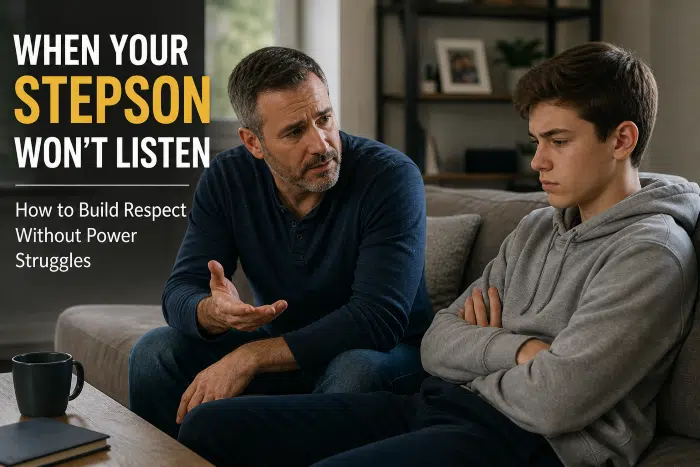
If you’ve ever said, “He just doesn’t listen to me,” you’re not alone. In many blended families, this becomes one of the most frustrating challenges a stepdad faces. When your stepson won’t listen, it can feel personal, discouraging, and even isolating.
However, before assuming it’s simple defiance, it helps to pause and look deeper. In most cases, this isn’t just about obedience. Instead, it’s about relationship, trust, timing, and emotional safety.
The good news is this – those are things you can influence. With patience and consistency, you can begin to shift resistance into respect.
Why Your Stepson Won’t Listen
First, let’s understand what may be happening beneath the surface. When your stepson won’t listen, there’s usually more going on than meets the eye.
You’re Not “Dad” – And That Matters
Even if you’re showing up the right way, your role is different. Because of that, your stepson may hesitate to accept your authority right away. This doesn’t mean he won’t ever listen – it simply means it takes time.
Loyalty Conflicts
At the same time, some boys feel torn inside. They may believe that listening to you somehow means being disloyal to their biological father, even if no one has said that directly.
Testing Boundaries
In addition, kids test limits. In stepfamilies, those tests can be stronger and last longer. In other words, he may be asking, “Are you really here for me, or are you just here to control me?”
Lack of Relationship Capital
Simply put, if the relationship is thin, your words carry less weight. Respect is often built through connection before correction.
Developmental Stage
Finally, if he’s a pre-teen or teenager, independence is already kicking in. As a result, resistance can show up more often.
What Doesn’t Work – Even If It Feels Right

When your stepson won’t listen, it’s easy to react in the moment. However, certain responses often make things worse over time.
For example, raising your voice may get short-term compliance, but it damages trust. Likewise, issuing ultimatums too quickly can turn the situation into a power struggle.
In addition, trying to enforce authority without a relationship often leads to more resistance. Criticizing his character instead of his behavior can also shut him down emotionally.
So while these reactions may feel justified, they rarely produce the long-term results you want.
What Builds Real Influence Over Time
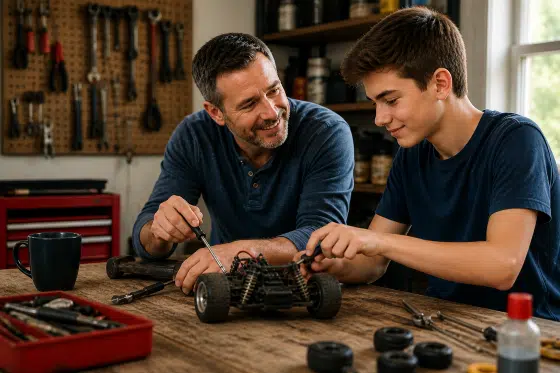
If you want your stepson to listen, you need to build influence first. Fortunately, there are practical ways to do that.
1. Build the Relationship First
Before expecting consistent obedience, invest in connection. Spend time together without correction attached.
For example, you might shoot hoops, work on a project, watch a game, or grab something to eat. Keep it low pressure.
As a result, your stepson begins to see that you’re not just there to enforce rules. You’re there to build a relationship.
Connection reduces frustration and creates space for your voice to matter.
2. Partner With His Mom
Next, alignment with your spouse is critical. If your stepson senses division, he will naturally resist.
Because of that, have private conversations about expectations, discipline, and roles. Decide together when you should step in and when she should lead.
As a result, your stepson experiences consistency. And consistency builds trust.
3. Choose Your Moments Wisely

Timing matters more than most stepdads realize. If you correct him when emotions are already high, he’s far less likely to listen.
Instead, wait until things are calm. Then address the issue privately.
In other words, how you say something often matters more than what you say.
4. Speak to the Behavior, Not the Boy
Another important shift is separating behavior from identity.
For example, saying “You’re disrespectful” feels like an attack. On the other hand, saying “That choice came across as disrespectful” keeps his dignity intact.
Because of this, he’s more likely to stay engaged instead of shutting down.
5. Use Fewer Words, More Clarity
Long lectures often lead to tuning out. Instead, keep your communication short, calm, and clear.
For example, “I need you to put your phone away and finish your homework. Let me know when you’re done.” Then step back and give him space to respond.
6. Follow Through Consistently
Consistency builds credibility. If expectations aren’t enforced, your words lose weight. However, consistency doesn’t mean harshness. It means predictable outcomes delivered calmly. Over time, this creates structure. And structure increases respect.
7. Look for Small Wins
Progress rarely happens overnight. Because of that, it’s important to notice small improvements. Maybe he responds without arguing. Maybe he completes a task after one reminder. Maybe he opens up briefly. When that happens, acknowledge it. Encouragement reinforces growth.
A Real-Life Moment
One stepdad shared he constantly told his stepson to clean his room, and every time it turned into an argument. Eventually, he changed his approach and simply offered help organizing it.
At first, his stepson declined. However, a few days later, he cleaned part of the room on his own. In that moment, the stepdad realized something important. His stepson didn’t need more pressure. He needed space and respect.
When He Still Won’t Listen
Even with the right approach, there will still be moments when your stepson won’t listen. That’s normal.
So what do you do then? First, stay calm even when he isn’t. Next, restate expectations without escalating. Then give space and revisit the issue later.
Most importantly, stay consistent.
Faith Perspective – Keep Planting Seeds
Blended family relationships require patience and perseverance.
Even when it feels like nothing is changing, something is happening beneath the surface.
Top 5 Practical Actions You Can Start Today
- Schedule one-on-one time this week. Keep it relaxed, simple, and correction-free.
- Align with your spouse tonight. Agree on expectations, discipline, and roles.
- Replace one lecture with a short, clear request. Say less, but say it calmly.
- Catch him doing something right. Encouragement helps build trust and cooperation.
- Pause before reacting. Give yourself time to respond with wisdom instead of frustration.
Final Encouragement
When your stepson won’t listen, it’s easy to feel discouraged. However, you’re not just trying to get compliance. You’re building trust. You’re building respect. You’re building long-term influence. And that takes time.
So stay steady. Stay patient. Stay present. Because one day, the same boy who didn’t seem to hear you will remember the way you showed up for him.