
The Father Factor: Four Hidden Challenges Every Stepdad Must Understand
What Happens when a Father is Missing—and why so many Stepdads feel like Outsiders


Opening Perspective
That quote may sound direct, but it highlights something important-balance.
Fathers and mothers bring different life perspectives to their children. Fathers often focus on outcomes-achievement, performance, and results. Mothers tend to emphasize social development-respect, behavior, emotional well-being, and care.
When both are present and engaged, those perspectives create a balanced environment.
But when one is missing, that balance shifts-and the effects are often deeper than people realize.
In many modern homes, that shift is exactly where stepdads step in.
The Reality Behind Blended Family Challenges
By the time a stepdad enters the picture, the family dynamic is already in motion.
There may have been separation, conflict, or emotional strain long before you arrived. Even if things seem stable on the surface, there is often an underlying history that shapes how everyone interacts.
This is what makes blended family challenges different from traditional parenting situations.
You are not just building relationships-you are stepping into existing ones.
This is why support for stepdads is so important.
Without guidance, it’s easy to misinterpret what’s happening around you. Resistance may feel like rejection. Distance may feel personal. Silence may feel like disapproval.
But often, what you’re experiencing is not about you-it’s about the environment you stepped into.
Feeling Like an Outsider as a Stepdad
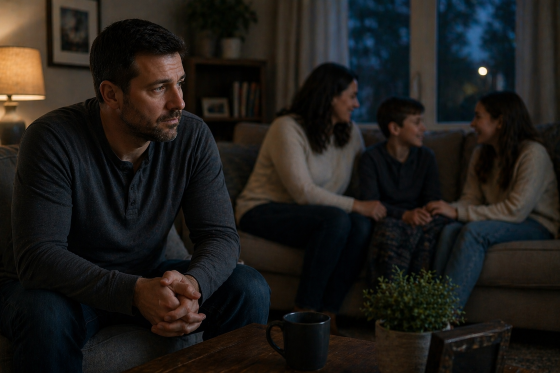
One of the most common experiences is feeling like an outsider as a stepdad.
You’re physically present, but emotionally not fully integrated yet.
Imagine this scenario.

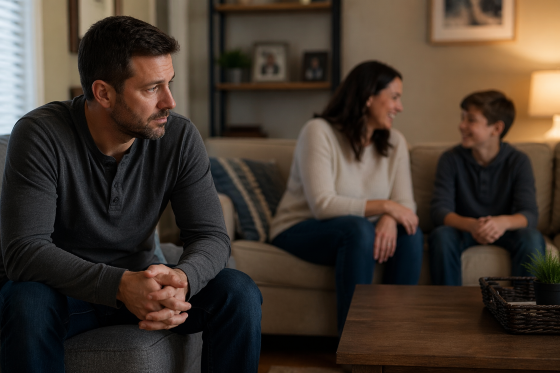
You’re sitting in the living room. Your wife and her child are laughing about something from years ago. You weren’t there. Don’t share that memory.
You try to engage, but the conversation moves quickly. Then you feel like you’re catching up instead of participating.
No one is excluding you-but you still feel outside of it.
This is where stepdad emotional struggles begin.
Over time, if that feeling isn’t understood, it can turn into frustration or withdrawal.
But recognizing it for what it is-a normal phase-helps you stay steady instead of reactive.
Father Factor 1: Poverty
One of the most immediate realities in single-parent households is financial strain.
With one primary provider, there is often less flexibility when it comes to income, expenses, and long-term planning. This can lead to increased stress, tighter budgets, and difficult trade-offs.
This pressure shows up in everyday life.
It might look like limited extracurricular activities, delayed purchases, or constant financial decision-making. Over time, that stress can affect the emotional tone of the home.
Now step into that as a stepdad.
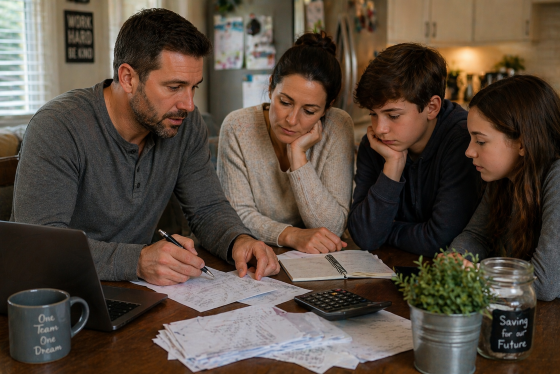
You may feel an internal responsibility to help stabilize things. Maybe you contribute financially. Maybe you take on additional responsibilities. Or you try to create more structure around spending or planning.
But here’s the challenge.
You’re contributing-but not always recognized as a primary authority.
This can create internal tension if it’s not acknowledged.
Your role in this situation is not just about money-it’s about stability.
Consistency, calm decision-making, and reliability reduce stress in ways that go beyond finances.
Even when you’re not solving every problem, your presence creates a sense of security.
And that matters more than most people realize.
Top 5 Ways Stepdads Create Stability
Even when you don’t have all the answers, your steady presence matters. Here are five practical ways stepdads help create a more stable home:
- Stay consistent. Follow through on what you say and be dependable.
- Lead calmly. Your tone often sets the emotional temperature of the room.
- Support your partner. Emotional support strengthens the whole household.
- Set fair expectations. Clear boundaries help children feel safe and secure.
- Think long term. Trust and respect usually grow through steady leadership, not quick wins.
Father Factor 2: Maternal and Infant Health
When a father is absent, the emotional and physical burden on the mother increases significantly.
She often carries the weight of parenting decisions, financial responsibilities, and emotional support on her own.
Over time, that can lead to stress, fatigue, and emotional strain.
Children feel this environment-even if nothing is said directly.
Here’s a real-life moment that illustrates this.
Your wife has had a long day. Work responsibilities, parenting, and daily stress have built up. The house feels tense. The kids are reacting. Voices are rising.
You step in.
Not to control-but to stabilize.
You lower your tone. Redirect the situation. You create space for things to settle instead of escalate.
That moment matters.
Stepdads often underestimate how much influence they have on the emotional climate of a home.
You don’t need to fix everything.
But your presence can reduce tension, increase stability, and support your partner in ways that directly impact the entire household.
Father Factor 3: Incarceration
This is one of the more serious long-term risks associated with inconsistent father involvement.
Children without strong guidance may struggle with boundaries, accountability, and long-term decision-making.
This isn’t about labeling-it’s about exposure and influence.
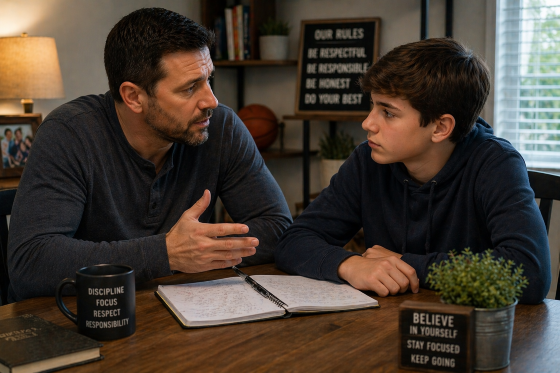
Without structure, children are more likely to look elsewhere for direction.
Now consider your role.
Every time you:
- follow through on what you say
- set clear expectations
- model self-control
You are creating a different standard.
It may not be acknowledged immediately.
In fact, it often isn’t.
But over time, consistency reshapes expectations.
Children begin to understand what accountability looks like-even if they resist it at first.
This is one of the most powerful ways stepdads influence long-term outcomes.
Father Factor 4: Crime
Closely related to incarceration is the broader issue of behavior and decision-making.
Without consistent parental involvement, children are more likely to be influenced by peers, test boundaries, and make decisions without considering consequences.
Here’s a scenario that may feel familiar.
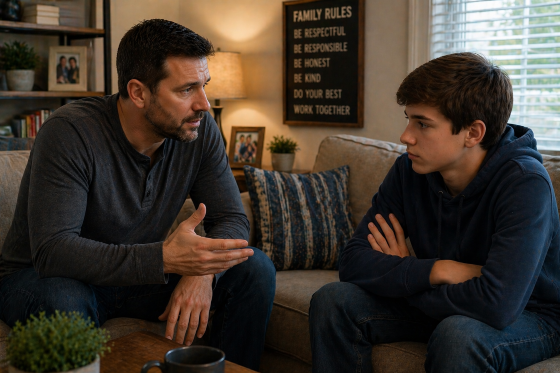
A stepchild comes home late. There’s attitude. There’s defensiveness.
Your first instinct may be to react strongly.
But instead, you stay controlled.
You address the behavior without escalating the situation. You hold the boundary, but you don’t turn it into a power struggle.
That’s leadership.
And leadership in these moments matters far more than being liked.
Over time, consistency reduces chaos and increases respect-even if it’s not visible right away.
What This Means for Stepdads
By the time you enter a blended family, many of these dynamics are already in motion.
You are not starting from scratch-you are stepping into an existing story.
This is why many stepdads feel stepdad not accepted, unsure of boundaries, and responsible without clear authority.
This creates tension.
You want to help-but don’t want to overstep.
You want to lead-but aren’t always sure how your role is perceived.
These are real stepdad relationship issues, and they are part of the process.
The Emotional Side: Feeling Left Out in the Family
Beyond structure and behavior is something more personal.
Many stepdads quietly experience feeling left out in family.
This can show up as emotional distance, delayed connection, or a sense of not fully belonging.
This is why stepdad mental health is so important.
Without support, these feelings can build over time.
This is also why strong stepdad support advice matters.
It helps you stay grounded, patient, and focused on long-term outcomes instead of short-term frustration.
Closing
Understanding these first four Father Factors helps explain the environment-not define the outcome.
Because while the challenges are real, they are not final.
Your presence introduces something new into the story.
Consistency. Stability. Leadership.
And in the next post, we’ll continue with the remaining Father Factors – and focus on real help for stepdads, including how to begin bonding with stepchildren effectively.
Call to Action
If you’re navigating this, you don’t have to do it alone.
Visit Support for Stepdads for practical guidance, encouragement, and real-world insight.