
The Hidden Invasion: Microplastics And Your Family
They’re in Your Water, Your Food, and Your Air—Here’s What that Means for Your Family

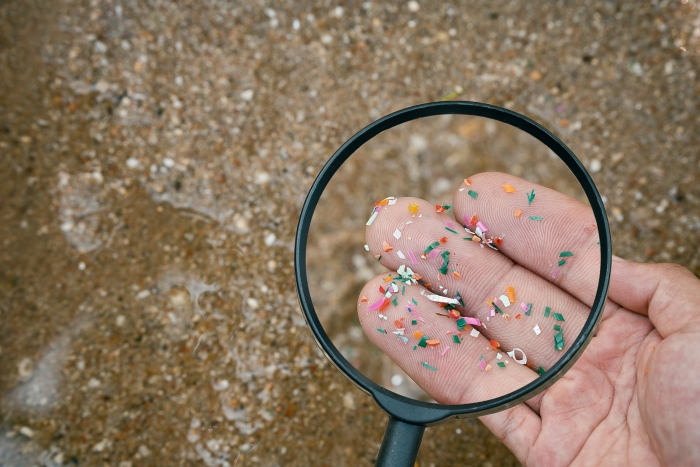
You don’t see them. You don’t taste them.
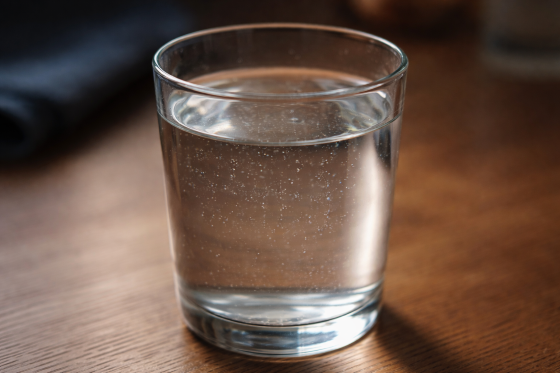
Yet, they are already inside your body. Every sip of water, every reheated meal, and even the air inside your home may carry microplastics into your system.
At first, that sounds extreme. However, research continues to confirm it. Scientists have detected microplastics in human blood, lungs, and even placentas. This issue is no longer distant or abstract. It is personal and immediate.
As stepdads, we often focus on visible challenges. We address behavior, attitudes, and relationships. However, some of the most serious threats to our families remain invisible. Because of that, they are easy to ignore.
At Support for Stepdads, we often talk about protecting our families from emotional harm—but physical threats like this matter just as much. If you’re looking for real help for stepdads, this is one area that deserves your attention.
So how did something so small become so widespread? More importantly, what can you actually do about it?
What Are Microplastics—And Why Should You Care?
Microplastics are tiny plastic particles smaller than five millimeters. Some manufacturers design them to be small, such as microbeads once used in cosmetics. Others form when larger plastics break down over time.
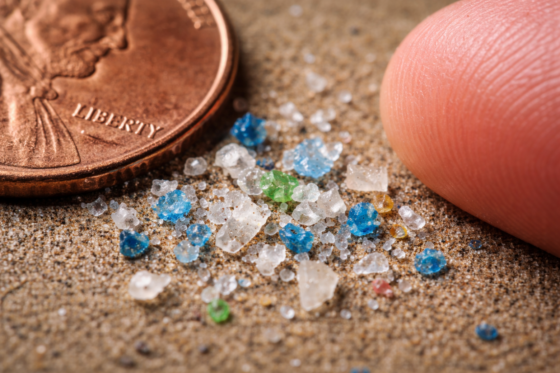
Because plastic persists, these particles show up in places you wouldn’t expect. For example, they appear in bottled water, food packaging, synthetic clothing, and even household dust.
In other words, microplastics are not just an ocean problem. They exist in your daily routine. Therefore, this issue deserves your attention and understanding.
This isn’t about fear. Instead, it’s about awareness.
In many ways, this mirrors the hidden nature of blended family challenges. Just like microplastics, some of the most impactful issues are not always visible right away.
Once you recognize the issue, you begin making better decisions for yourself and your family.
How They Got Everywhere
We didn’t stumble into this problem. We built it over decades. Since the 1950s, plastic production has increased dramatically. Companies chose plastic because it’s lightweight, durable, and inexpensive.
For years, plastic solved problems. However, it also created a much larger one. Plastic doesn’t break down in a meaningful way. Instead, it fragments into smaller and smaller particles that spread everywhere.
These particles move through entire ecosystems. For example, plastic enters oceans. Fish consume it. Eventually, it reaches your dinner plate through the food chain.
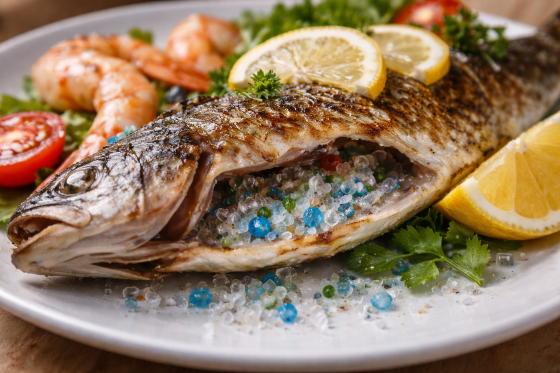
Similarly, plastic particles circulate through the air. They settle in dust, and you inhale them without noticing. As a result, exposure becomes constant rather than occasional.
Even water systems are affected. Microplastics have been detected in both tap water and bottled water. Because of that, avoiding exposure becomes extremely difficult.
Although recycling helps in limited ways, it doesn’t solve the core problem. Most plastics are never recycled effectively. Instead, they degrade and return as microplastics.
We built a system around convenience. Now, we are living with the long-term consequences of that system.
That feeling of being part of a system you didn’t create may sound familiar. Many men describe feeling like an outsider as a stepdad when navigating situations they didn’t design but are expected to manage.
Inside the Human Body: What We’re Learning
This is where the conversation becomes more serious. Researchers have already found microplastics in several parts of the human body.
These include blood, lung tissue, liver samples, and placentas. That last finding carries significant weight because it suggests exposure begins before birth.
At the same time, scientists are still studying the long-term effects. We don’t have every answer yet. However, early findings raise legitimate concerns.
BPA
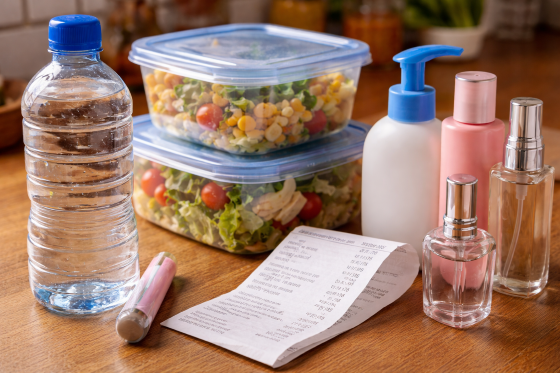
Some studies point to inflammation in tissues. Others highlight hormonal disruption caused by chemicals such as BPA and phthalates. BPA (Bisphenol A) is a chemical used to make certain plastics and resins. You’ll commonly find BPA in:
- Hard plastic bottles and containers
- The lining of canned foods
- Some food storage containers
- Thermal receipt paper
Many products now say “BPA-free,” but that doesn’t always mean completely risk-free.
Phthalates
Phthalates (pronounced THAL-ates) are a group of chemicals used to make plastics softer and more flexible. You’ll find them in:
- Flexible plastics (like plastic wrap or vinyl)
- Personal care products (shampoo, lotions, fragrances)
- Household items (shower curtains, flooring)
- Food packaging
Both BPA and phthalates:
- Leach out of plastics (especially with heat or wear)
- Enter your body through food, water, air, and skin contact
- Interfere with your body’s hormone system
In addition, researchers are exploring possible links to chronic disease. While these connections are still being studied, the direction is clear enough to take seriously.
This is not a future problem. It is a present reality that science is still working to understand.
In the same way, stepdad emotional struggles often go unnoticed until they begin affecting relationships and long-term family health.
Data Point: A Reality Check
Let’s bring this into perspective. Studies suggest that the average person consumes thousands of microplastic particles every year.
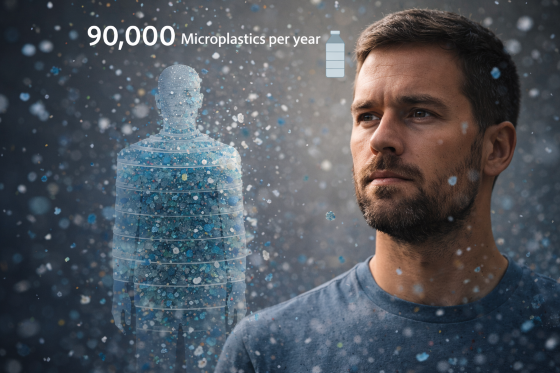
Thousands. Not because you are careless, but because the system around you was never designed to prevent this type of exposure.
Food, water, and air all contribute to the total. Over time, those small exposures add up. Because of that, awareness becomes essential.
Once you see the pattern, you cannot unsee it. More importantly, you can begin making smarter decisions.
That awareness is powerful. Whether it’s your health or bonding with stepchildren, recognizing the issue is always the first step toward meaningful change.
Who’s Responsible? (Let’s Talk Straight)
This is not just a personal responsibility issue. It is also systemic. For decades, companies have relied heavily on plastic packaging.
Plastic remains cheaper, lighter, and more efficient than most alternatives. As a result, it became the default solution across industries.
However, the long-term cost did not disappear. Instead, it shifted to consumers and families who now deal with the consequences.
At the same time, regulation has struggled to keep pace. Many regions still lack meaningful controls on microplastics.
Public messaging has emphasized recycling. While helpful, recycling alone cannot fix a material that never truly breaks down.
So where does that leave you? It leaves you in a familiar position. Like many stepdads, you must navigate an imperfect system.
You may not control the system, but you still control your response.
That reality closely reflects stepdad relationship issues. You didn’t create every dynamic in your home, but your response still shapes the outcome.
The Everyday Exposure You Didn’t Notice
Here is what makes this issue so challenging. Exposure does not come from one major source. Instead, it comes from hundreds of small interactions.
You encounter microplastics when you drink bottled water. You encounter them when you heat food in plastic containers.
They also appear when you wear synthetic fabrics like polyester. Even indoor air contains microscopic fibers that you inhale.
Simply put, you do not need to live near a landfill to be exposed. You just need to live a normal life.
That constant exposure can feel overwhelming—similar to feeling left out in family dynamics when connection doesn’t come naturally.
That reality can feel overwhelming. However, awareness gives you an advantage. Once you recognize the sources, you can adjust your habits.
Sidebar: Top 5 Surprising Sources of Microplastics in Your Daily Life
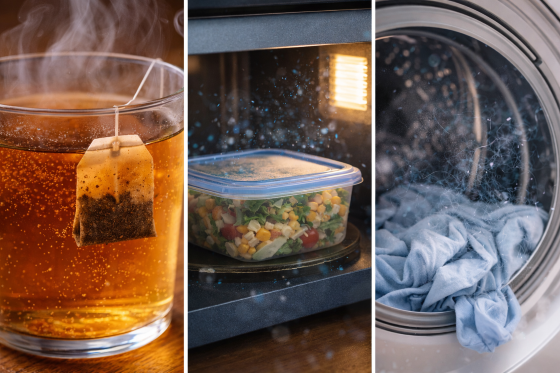
- Bottled water often contains more microplastics than tap water.
- Tea bags can release billions of particles when exposed to hot water.
- Synthetic clothing sheds plastic fibers during washing and daily wear.
- Heated plastic containers release particles into your food.
- Household dust contains fibers from furniture, carpets, and clothing.
What Can You Actually Do About It?
Now, let’s shift the focus to action. This isn’t about panic. It is about leadership.
As a stepdad, your role is not to eliminate every risk. Instead, your role is to create a healthier environment over time.
Start with practical changes. Use glass containers or stainless steel containers whenever possible.
Avoid heating food in plastic containers. Heat accelerates the release of microplastics.
Consider using a high-quality water filter. This step can reduce exposure from drinking water.
Whenever possible, choose natural fabrics such as cotton or wool. These materials do not shed plastic fibers.
Finally, reduce your reliance on single-use plastics. Even small reductions make a difference over time.
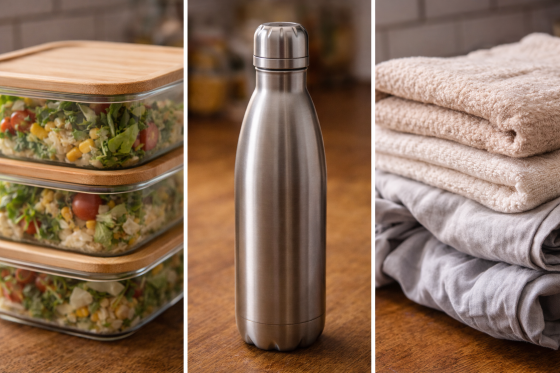
You do not need to change everything overnight. However, you do need to start somewhere.
Leadership at home is not about perfection. It is about direction and consistency.
This is where stepdad support advice becomes practical. Small, consistent actions—whether reducing plastic use or building trust—lead to long-term impact.
Conclusion: A Problem Too Small to Ignore
Microplastics may be tiny, but their impact is not. This issue will not disappear overnight. Science will continue to evolve, and policies will eventually catch up.
However, you still control three critical things: awareness, decisions, and influence.
The same mindset you use to build trust in your home applies here. Stay intentional. Stay consistent. Think long term.
Protecting your family is not only about visible threats. Sometimes, it is about what you choose to notice and address.
The same applies to blended family emotional struggles. When a stepdad feels like outsider or experiences being a stepdad not accepted, the issue may not be obvious—but it still matters deeply.

Closing Thought
What we cannot see may shape our future more than we realize. The good news is that you are not powerless. You are informed, and informed decisions lead to better outcomes over time.
Call to Action
If this opened your eyes, take the next step. Learn more about what you put into your body and how it impacts your family.

If you’re navigating both health concerns and blended family challenges, remember this—you don’t have to do it alone. Visit Support for Stepdads for real help for step dads who want to lead their families with strength and awareness.