
The Silent Power Of A Stepdad’s Influence In A Blended Family
Why your Character, Consistency, and Example Matter


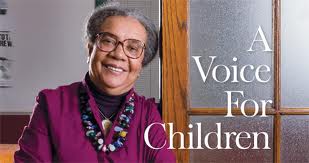
Background Marion Edelman
Marian Wright Edelman, founder and president of the Children’s Defense Fund (CDF), has been an advocate for disadvantaged Americans for her entire professional life. Under her leadership, CDF has become the nation’s strongest voice for children and families. The Children’s Defense Fund’s Leave No Child Behind mission is to ensure every child a Healthy Start, a Head Start, a Fair Start, a Safe Start, and a Moral Start in life and successful passage to adulthood with the help of caring families and communities.[/author]
Character Is Caught, Not Taught
Marian Wright Edelman’s words are a sobering reminder children learn far more from what we model than from what we say. Long before values are explained, they are observed. Long before lessons are taught, examples are absorbed. Children are always watching – especially when we think they aren’t.
For stepdads, this truth carries even greater weight. In blended families, authority is often limited and affection may not come easily. You may not be the primary disciplinarian, decision-maker, or biological parent—but your character is still on display every day. How you speak, how you act, how you handle disappointment, how you treat others, and how you live out your convictions quietly shape the moral framework your stepchildren are forming.
When children see adults cut corners, dismiss responsibility, or laugh at cruelty, those behaviors are normalized. But when they see consistency, humility, generosity, and self-control—especially when it costs something—they learn what integrity looks like in real life.
Even if your stepchildren never say it aloud, they are learning from you. They are learning what manhood looks like. They are learning how adults handle pressure, frustration, and temptation. And they are learning whether character is something we talk about – or something we live out daily.
What Stepchildren Are Really Watching
Even when you feel invisible, your stepchildren are paying close attention. They may not ask for your advice or seek your approval, but they are observing how you live. Often, they are learning the most from the moments you don’t realize are teaching moments.
They are watching how you
- treat their mother—especially during disagreements;
- handle frustration, stress, and disappointment,
- speak about their biological parent, even when that relationship is strained; and
- respond when no one is applauding your efforts.
They are watching whether your values stay consistent when circumstances are inconvenient.
Children learn character by observation. What they see practiced day after day quietly shapes what they come to believe is normal, acceptable, and admirable.

Bonding by Age: What to Expect, What to Release

The age of your stepchildren when you enter their lives is one of the factors influencing the level of bonding you experience with them. If the child is a toddler you have a better chance for developing a deeper bond as compared to if they are teenager. Bonding is practically non-existent for adult stepchildren. Understanding this can help you set realistic expectations—and release unnecessary frustration.
Young Children
With toddlers and younger children, bonding often grows through presence and routine. Simply showing up consistently—reading bedtime stories, attending activities, being dependable—builds trust over time. Affection may come more naturally, but it still requires patience and steadiness.
Teenagers
With teens, bonding often looks very different. Respect usually comes before relationship. Pushing for closeness too quickly can backfire. Instead, consistency, fairness, and emotional self-control lay the groundwork. Teens are often watching to see if you are safe before they decide whether to let you in.
Adult Stepchildren
With adult stepchildren, bonding may never resemble a traditional parent-child relationship. And that’s okay. Influence at this stage often comes through example rather than interaction. Your role may be quiet, peripheral, and indirect—but it’s not meaningless.
In every stage, it helps to release the expectation that bonding must look a certain way. Sometimes connection grows slowly. Sometimes it never looks like closeness. But influence can still be profound.
If This Is You
If you often feel overlooked, underappreciated, or unsure whether your presence really matters, you are not alone. Many stepdads quietly carry the weight of doing the right thing without much recognition. The absence of feedback can make you question whether your efforts are making any difference at all.
But invisibility doesn’t mean insignificance. The consistency you show, the restraint you practice, and the integrity you model are shaping lives—even if the results are not immediately visible. Even if no one acknowledges it today, people notice what you live out—and they remember it.
Why Your Example Still Matters
All of this brings us back to a simple but powerful truth: stepfather influence is rarely loud, fast, or obvious. It is built quietly through everyday choices, consistent behavior, and steady character over time. Bonding may look different depending on a child’s age, and recognition may never come in the way you hope for—but your example still carries weight.
By living out your values with clarity and consistency, you teach lessons that words alone never could. And even when the impact isn’t immediately visible, the seeds you are planting through your actions are shaping hearts, habits, and futures in ways that truly matter.
Final Call to Action
By being our best selves in the course of our daily lives can show our children we always try to do our best to serve. If this message resonated with you, consider sharing it with another stepdad who may need the reminder that his presence still matters—even on the days it feels unnoticed.