Stepfatherhood In His Shadow: Loving A Child Who Lost Their Dad
Walking with Love, Patience, and Faith as your Stepchild Heals from Loss

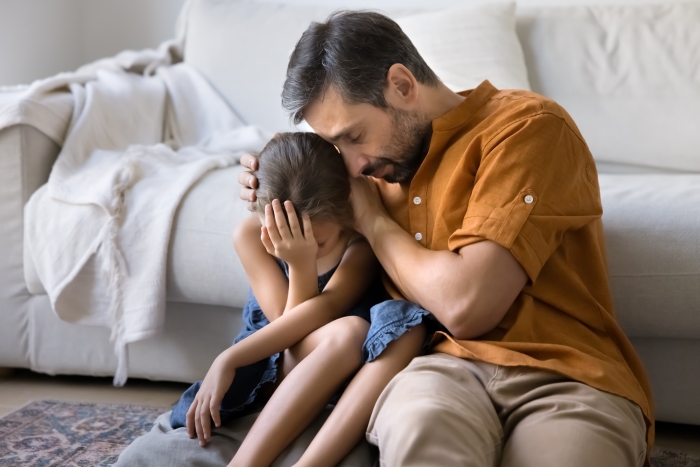
Blended families are like phoenixes, rising from the ashes of something that came before. It’s a beautiful image with a dark side; every blended family comes from loss. It’s no secret there are a lot of really challenging emotions that go into the creation of a blended family.
Sometimes, your new spouse didn’t undergo a divorce; sometimes, your new spouse is a widow or widower. Sometimes, the kids really did lose their biological father, and that adds a new, challenging dimension to being a stepdad.
When you become a stepfather to a child whose biological father has passed away, you’re entering a space already shaped by grief, memory, and an irreplaceable absence. That absence may be recent and raw, or it may be years old but still deeply felt.
Even if your stepchild was too young to remember their father clearly, the idea of him can influence how they see you. You are not replacing him, and you shouldn’t try to. Instead, you’re stepping into a role that requires empathy, patience, and a willingness to understand loss never truly disappears.
Respecting the Space He Occupied
A father’s death leaves behind more than just memories; it leaves a space in family life. That space might feel sacred to your stepchild or your partner, and you’ll need to learn where the boundaries are. Some children may want to keep certain traditions or rituals tied to their dad, while others may not talk about him at all.
The key is not to force the conversation in either direction. Respecting that space sends a powerful message: you are here to be a positive presence without erasing what came before.
At some point, you may hear direct or indirect comparisons between you and the father who passed away. Sometimes they will be flattering; other times, they may sting. The child may compare your parenting style, sense of humor, or even appearance to his.
These comparisons are not a contest; they are part of the child’s process of integrating the past with the present. Responding without defensiveness and with genuine respect for their father’s memory helps keep the focus on your connection with the child rather than a scorecard of who does what “better.”
It’s also important to remember that you’re here, but the biological dad is not. He’s frozen in time, and that can lead to some unfavorable comparisons. He’s not around to make mistakes; he’s not around to change and grow. The version of him your stepchild holds onto is shaped by memories, stories, and the emotions tied to loss, which means it may be idealized in ways no living parent could realistically match.
Accepting that reality frees you from trying to compete with a memory and allows you to focus on building something real and lasting in the present. You’re here, and you exist in the now. Let that help you stay grounded in the everyday acts of love, care, and patience – you know, parenting.
Building a Relationship on Your Own Terms
While you can never recreate the bond your stepchild had (or might have had) with their father, you can form a bond that is unique to you. Shared activities and a constant presence go a long way toward creating a foundation that’s yours alone.
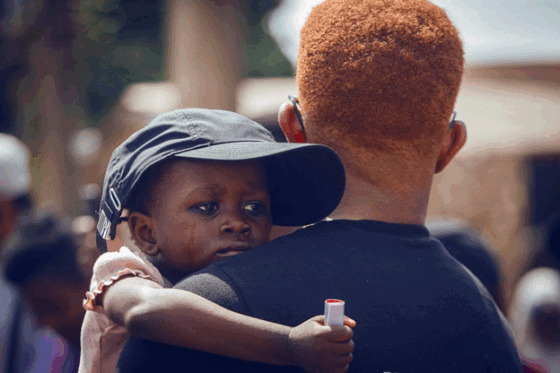
Let the relationship grow at its own pace. For some children, this might mean years before they see you as a true parental figure. For others, the bond may form more quickly. Either way, showing up authentically is what makes the difference.
Your partner may have their own complex emotions around their late spouse. They might feel protective of the child’s memories or worry about how introducing a new parental figure could affect them. Open communication is essential, and you have to talk about both practicalities and everybody’s emotions.
Everybody is going to have different feelings and perspectives, and all of them are valid. Discuss how to handle:
- Questions about the child’s father,
- How to support commemorations like birthdays or anniversaries, and
- How to address moments when grief resurfaces unexpectedly.
When you and your partner present a united approach, your stepchild sees you’re part of a secure, supportive team.
Honoring Their Father’s Memory
Acknowledging and honoring a deceased father can actually strengthen your role rather than weaken it. Participating in remembrance activities, like visiting a grave site or organizing a photo album, shows you respect their past. Children often fear remembering the parent they lost will upset their surviving family members; your willingness to honor his memory reassures them it’s okay.
At the same time, be respectful of your stepchild’s boundaries. They may not want you to visit their father’s grave or talk about him with you, and that’s ok, too. It’s important to remember every child grieves differently, and grief takes time. If your stepchild withdraws during anniversaries, holidays, or certain conversations, resist the urge to “fix” the moment.
Grief has its own completely unpredictable schedule, and sometimes the best thing you can do is offer quiet companionship rather than solutions. An important part of grief is just being sad, and you have to let the kids do that on their own timeline.
You cannot fix grief. Nobody can. Your job is to help the kids process their grief by respecting their emotions and keeping the door open for them to come to you when they’re ready.
While it’s important to preserve some elements of the past, your family also needs space to grow into its own rhythms. Introducing new traditions can help balance remembrance with life moving forward.
These new traditions don’t replace what came before; they exist alongside them. Whether it’s a special dinner on a certain night of the week or a shared hobby you develop together, these rituals become part of your stepchild’s evolving sense of family.
Managing Your Own Emotions
It’s easy to focus entirely on your stepchild’s grief and forget you may have your own feelings about stepping into this role. You might feel pressure to live up to an idealized version of the father who passed, or frustration if you face resistance when trying to connect.
It’s okay to acknowledge these emotions and seek your own support system, whether through friends, family, or counseling. You will be a better stepfather if you’re honest with yourself about your own emotional needs.
Relationships forged in the wake of loss take time… sometimes a lot of time. You may not see the results of your efforts for years, but consistency and care compound over time. Your presence, your reliability, and your respect for what came before will form the backbone of a relationship your stepchild can count on.
One day, they may look back and realize how much you gave without demanding that they “replace” their father in their heart. That’s when you’ll know you succeeded.
Share your Story
If you’ve walked the hard road of helping a grieving stepchild, your experience matters more than you know. Your story could bring comfort, courage, or clarity to another stepdad who’s feeling lost in the same struggle. Share your journey in the Comments—and explore more faith-filled resources on Support for Stepdads to keep growing as the father figure your family needs.
Final Encouragement
If you’re a stepdad walking through grief with a child, remember you don’t have to do it perfectly — you only have to do it faithfully. With patience, empathy, and prayer, healing and trust can grow.