Bigorexia: When Your Stepson Feels “Never Strong Enough”
How Stepdads can spot Muscle Obsession and Guide Boys toward Healthy Strength

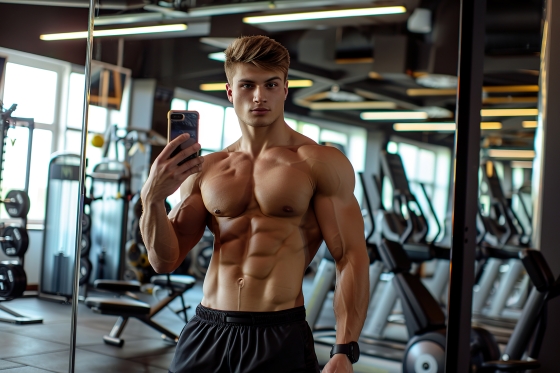
When I walked into the locker room, younger guys stood shirtless at the mirror—flexing, posing, and analyzing every inch of their physiques.
I smiled, knowing age usually moves that kind of posing behind closed doors.
But then it hit me… was this confidence—or something deeper?
Were they already battling something like bigorexia? Studies suggest muscle dysmorphia affects a growing number of adolescent boys, especially those active in gym culture.
As stepdads, many of us encourage strength, discipline, and healthy habits. We cheer from the sidelines, pay gym fees, and praise commitment. Fitness can be a powerful outlet—especially for boys navigating identity, confidence, and the emotional weight of a blended family. Exercise can teach perseverance, teamwork, and respect for the body God has given us.
But for some boys and men, the drive to be strong quietly turns into something darker. No matter how muscular they become, it never feels like enough. They see weakness where others see strength. Workouts stop being healthy and become mandatory. Rest feels like failure. Family dinners, school events, and relationships slowly move to the edges of life.
This struggle has a name: Bigorexia. For stepdads, understanding it can make a life‑changing difference because we often stand on the front line between healthy discipline and harmful obsession.
What Is Bigorexia?

Bigorexia—clinically known as muscle dysmorphia—is a form of body image disorder in which a person becomes preoccupied with the belief they are not muscular or strong enough. Even when they are objectively fit or well‑built, they see themselves as small, inadequate, or weak.
Unlike ordinary fitness goals, Bigorexia is driven by fear and shame, not health. The person’s self‑worth becomes tied to muscle size, leanness, or strength. Training plans feel like laws. Food becomes either “clean” or “bad.” Life starts to revolve around the mirror.
Common signs include:
– Spending excessive hours working out, often twice a day
– Anxiety or anger when workouts are missed
– Rigid eating rules and distress around off‑plan foods
– Frequent mirror checking or body measuring
– Avoiding social events to protect gym time
– Using or fixating on supplements or performance enhancers
– Ignoring injuries to keep training
These behaviors don’t reflect strong motivation. They are symptoms of a mind that has learned to measure worth in pounds and inches.
CASE STORY – “Ethan”
Ethan was sixteen when his mom remarried. His new stepdad, Carlos, was a former college athlete who loved the gym. Wanting to connect, Ethan began lifting with him. At first it was healthy bonding—rides to practice, protein shakes, friendly competition, and long talks about school.
Within a year, Ethan refused family dinners because the food “didn’t fit macros.” He weighed himself three times a day and panicked if school interfered with workouts. Carlos noticed his stepson stopped laughing and started hiding in hoodies even in summer. One evening Ethan whispered, “I still look weak.”
Carlos realized the goal had shifted from health to fear. A conversation that began with, “I care about you more than any number on a scale,” opened the door to counseling and a healthier routine. The turning point was not a new program—it was a new message: you belong here even on rest days.
Who Is Affected?
Bigorexia affects adolescent boys and young men most often—but it doesn’t stop there. Increasingly, adult men—including fathers and stepdads—also struggle with it. The culture of constant self‑improvement can trap any age.
Those most often affected include:
– Teenage boys navigating identity and self‑worth
– Athletes in strength‑based sports
– Young men immersed in gym culture
– Men experiencing life transitions or loss of control
In blended families the dynamics can intensify the risk. A stepchild may feel pressure to prove himself, especially to a stepdad he admires. Boys who feel displaced after divorce may use muscles to build a sense of safety. What starts as connection can become a measuring stick for love.
CASE STORY – “Marcus”
Marcus was twenty‑three, strong, and admired at his gym. Friends envied his dedication. What they didn’t see was the anxiety that followed him home. Marcus skipped his little sister’s birthday because the restaurant had no “clean” options. He trained through a shoulder injury and began ordering questionable supplements online.
His stepdad, Raymond, noticed the joy disappearing from Marcus’s life. Instead of criticizing, he invited Marcus on weekly walks—no gyms allowed—just to talk. During one walk Marcus admitted, “If I miss a workout, I feel like nobody will respect me.” Those honest words led to meeting with a therapist who helped Marcus separate identity from appearance. The family learned that healing grows in conversation, not confrontation.
Who Is Most at Risk?
Risk factors include low self‑esteem, history of bullying, perfectionism, anxiety, depression, and prior disordered eating. In blended families, boys may feel pressure to prove themselves or earn belonging through physical strength. Major changes such as moving homes, new schools, or conflict with a biological parent can increase vulnerability.
Warning signs stepdads should notice:
– Sudden mood swings or withdrawal from friends
– Extreme guilt after rest days
– Financial secrecy around supplements
– Training through injuries
– Statements like “I’m still too small” despite growth
What Influences Bigorexia?
Social Media: Platforms promote unrealistic bodies and edited images. A boy can scroll hundreds of perfect physiques before breakfast. Comparison becomes constant and cruel.
Sports Culture: Some teams glorify pain and size. Phrases like “no days off” can silence a young man’s need for recovery.
Family Modeling: Casual comments such as “real men stay disciplined” can unintentionally link worth with muscle. Boys listen carefully to how the men in their lives talk about their own bodies.
Psychological Control: Bigorexia often grows when life feels uncertain. The body becomes something to manage when emotions feel unmanageable.
What Can Parents—and Stepdads—Do?
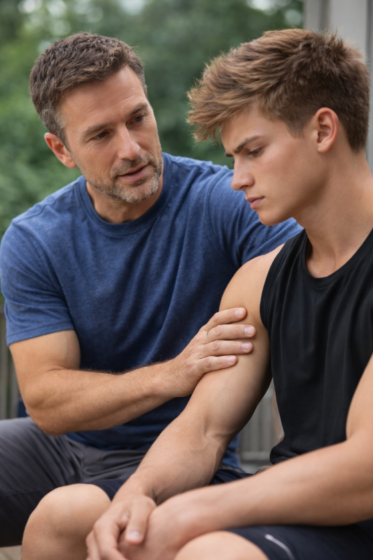
- Build Safety Before Correction
Start with curiosity, not confrontation. Say, “Help me understand what training means to you.” Listen more than you speak. - Reframe Strength
Teach that real strength includes rest, honesty, and kindness. Celebrate school effort, creativity, and character as loudly as athletic wins. - Set Loving Boundaries
Limit extreme supplement use. Protect sleep and family time. Boundaries communicate care, not punishment. - Model the Message
Speak respectfully about your own body. Avoid mocking weakness. Let your stepson see a man who can be strong and gentle. - Encourage Balanced Habits
Promote varied activities—hiking, swimming, service projects—so identity is wider than the gym. - Seek Professional Help
A therapist experienced in body image, along with a registered dietitian, can guide recovery. Early support prevents deeper harm.
How to Start the Conversation
– “I’ve noticed you seem stressed when you miss a workout.”
– “Your health matters more than how you look.”
– “I’m on your team. We’ll figure this together.”
Avoid saying:
– “Just relax about it.”
– “You look fine—stop worrying.”
– “Real men push through pain.”
Faith and Heart Perspective
Scripture reminds us of deeper truths:
These verses remind us that the body is a gift to steward, not a scoreboard. Stepdads can model a faith that values compassion over comparison.
A Stepdad’s Unique Role
Bigorexia is not vanity. It is often pain in disguise. As a stepdad you may be the most consistent male presence in a young man’s life. Your tone can calm storms. Your example can redefine what strong means.
Strength can look like:
– Asking for help
– Taking a rest day
– Eating with family without fear
– Loving a body that is imperfect
When a boy hears, “You’re enough right now,” chains begin to loosen.
Practical Family Plan
– Schedule one tech‑free meal weekly
– Create a rest‑day tradition together
– Follow positive, non‑appearance accounts online
– Keep medical checkups and honest injury care
Hope for the Journey
Recovery is possible. Many young men rediscover joy in movement rather than slavery to it. Families grow closer when worth is measured in love instead of muscle. He doesn’t need a stronger body—he needs a stronger belief that he already matters.
Call to Action
Have one intentional conversation this week about health, not appearance. Share this article with another stepdad. If concerns remain, reach out to a qualified mental health professional. You do not walk this road alone.
Related Articles on Support for Stepdads (Coming Soon)
We’re building more resources to support stepdads. Check back soon for:
- Helping a Teen Stepson Open Up
- When Your Stepson Won’t Listen
- Protecting Your Marriage While Parenting Teens
- Managing Anger in Blended Families
- Building Trust With a Stepson
Trusted Resources for Help
- National Eating Disorders Association (NEDA): https://www.nationaleatingdisorders.org – education on body image and muscle dysmorphia, screening tools, and helpline.
- American Psychological Association (APA) Psychologist Locator: https://locator.apa.org – find licensed therapists experienced in adolescent and body image concerns.
- Psychology Today Therapist Directory: https://www.psychologytoday.com – searchable by insurance, specialty, and location.
- National Alliance for Eating Disorders: https://www.allianceforeatingdisorders.com – free referrals and support groups.
- 988 Suicide & Crisis Lifeline: Call or text 988 if your child expresses hopelessness or self-harm thoughts.