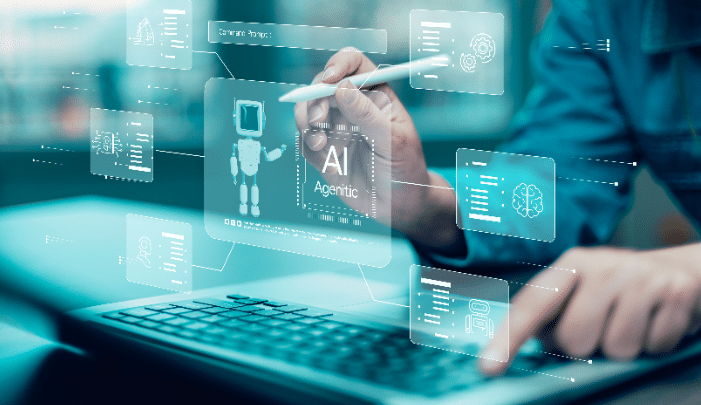
Today, rapid advancements in technology are transforming the way we work, connect, and live. The innovations that drive modern life are more than trends—they are transformative forces changing industries, economies, and daily experiences. From artificial intelligence and remote work to smart devices and blockchain, emerging technologies are opening new opportunities, boosting productivity, and simplifying everyday tasks.
This article examines the most significant technology trends influencing the workplace and individual experiences. Whether you are an employee, entrepreneur, or digital native, understanding these trends is vital for navigating and thriving in a tech-driven world.
1. The Rise of Remote and Hybrid Work Models
A significant shift in the workplace is the widespread adoption of remote and hybrid work models. What began as a necessity during the pandemic is now permanent. Organizations are adopting flexible arrangements to boost employee satisfaction, lower operational costs, and tap into a global talent pool.
With tools like Zoom, Microsoft Teams, Slack, and Trello, collaboration across time zones is seamless. Cloud platforms enable employees to access files and communicate instantly, regardless of their location. This shift also compels companies to invest in cybersecurity, virtual infrastructure, and digital literacy. The result? The traditional nine-to-five office model is evolving, enabling people to work anywhere with an internet connection.
2. Mobile Apps and the Empowered Workforce
The widespread adoption of smartphones has transformed them into powerful workstations. Professionals use apps for communication, business management, content sharing, and time tracking. Mobile tools enable users to manage a wide range of tasks, from social media marketing to finances, thereby streamlining business operations.
A notable category is professional and productivity apps, which help users build resumes, portfolios, and prepare for interviews. For example, a resume builder app can simplify the process of creating a resume, allowing users to design a visually appealing and ATS-friendly document quickly and efficiently.
This virtual unit helps individuals stay ahead in the competitive markets and pursue their professional development. The mobile-first approach brings significant improvements in convenience, speed, and privacy when handling images and data.
3. Cloud Computing and Digital Transformation
Cloud computing is the foundation of digital transformation, offering data processing, storage, and applications on demand. It levels the playing field, enabling start-ups and small businesses to leverage advanced technologies without significant infrastructure costs. Platforms like Amazon Web Services (AWS), Google Cloud, and Microsoft Azure offer scalable solutions for businesses of all sizes.
They enhance agility, facilitate innovation, and lower costs. Cloud services enable real-time data analysis, facilitate quick decision-making, and promote seamless collaboration by providing access to essential tools worldwide. Advancements in cloud operations also enhance digital resilience. With secure data storage and production options, organizations that invest in cloud infrastructure are better equipped to handle disruptions such as natural disasters or cyberattacks.
4. Automation and Robotics in the Workforce
Automation now transforms industries beyond manufacturing, including logistics, agriculture, finance, and customer support. Robotic Process Automation (RPA) enables companies to complete repetitive tasks—such as data entry, invoice processing, and onboarding—efficiently and accurately.
Robots increasingly appear in warehouses, hospitals, and retail settings. At Amazon fulfillment centers, they boost productivity and speed deliveries, while in healthcare, they enhance precision during surgical procedures. While automation raises concerns about job displacement, it also creates new roles requiring oversight, adaptation, and critical insight. The future workforce must excel in human skills like emotional intelligence, critical thinking, and creativity.
5. The Internet of Things (IoT) and Smart Living
The Internet of Things (IoT) now permeates homes, sparking meaningful conversations. IoT includes a broad range of connected devices—appliances, vehicles, wearables—that communicate and automate in real time. Smart thermostats adjust to user habits, while fitness trackers constantly monitor health.
IoT technology extends to cities, where smart infrastructure optimizes traffic, lowers energy use, and enhances public safety. In workplaces, IoT devices monitor systems and equipment to improve safety in production and logistics. Integrating IoT into daily life makes homes and offices more efficient and productive. However, it requires robust data security, as connected devices offer more entry points for cyber threats.
6. Blockchain and Decentralized Technologies
Blockchain technology is gaining traction beyond cryptocurrency. Supply chains value their ability to provide secure, transparent, and tamper-proof transactions. Smart contracts—self-executing agreements with terms encoded in software—reduce reliance on intermediaries.
Blockchain ensures data integrity, especially in industries where transparency and traceability are vital. Decentralized Finance (DeFi) platforms empower users to manage assets independently of traditional banks. As blockchain evolves, it may fundamentally change how organizations and consumers handle data and transactions.
7. Cybersecurity and Data Privacy
Stronger cybersecurity is essential as connectivity and digital reliance grow. As cyber threats become increasingly sophisticated, companies and individuals must protect sensitive information with diligence. Organizations invest in multi-factor authentication, end-to-end encryption, and zero-trust networks. Cybersecurity training is also crucial for employees, as human error remains a significant risk.
Consumers are becoming increasingly aware of privacy concerns and demanding more control over their data. Governments and regulators enforce rules like GDPR and CCPA to ensure accountability and safeguard rights. To thrive in the digital era, individuals must educate themselves on new technologies and understand the associated risks and responsibilities that come with them.
8. Artificial Intelligence and Machine Learning Integration
Artificial Intelligence (AI) and Machine Learning (ML) have become core to business and personal tech. Everything from AI-powered customer service to advanced data analysis and personalization relies on these tools. AI automates routine tasks, allowing employees to focus on creative and strategic work.
For instance, AI software can quickly review hundreds of applications and ensure only qualified candidates advance. It helps in financial forecasting, medical diagnosis, and legal research. For individuals, Alexa and Siri offer AI-powered voice assistance, providing navigation and tailored streaming recommendations.
However, these advances also raise concerns about job displacement, privacy, and the ethical use of AI. Businesses and policymakers must establish guidelines that ensure the responsible adoption of AI and prepare workers for the rapidly evolving AI-driven economy.
9. Augmented Reality (AR) and Virtual Reality (VR)
AR and VR technologies enhance professional and personal experiences. AR supports job training, maintenance, and product visualization, while VR accelerates onboarding and enables team collaboration in immersive environments.
These tools change how people learn, socialize, and are entertained. Virtual concerts, 3D home tours, and AR-based product previews are just the beginning. As hardware gets cheaper and software easier to use, AR and VR will become integrated into everyday life and work.
Conclusion: Adapting to a Tech-Driven Future
The technology landscape is evolving quickly, reshaping how we live and work. While advancements offer opportunities for innovation, efficiency, and empowerment, they also present challenges—such as workforce changes and data security—that require proactive solutions.
To stay relevant in this world requires adaptability, continuous learning, and technological integration. Whether your goal is to boost productivity, drive business innovation, or explore technology, understanding these trends enables wiser, higher-impact decisions. By adopting these changes and using the right digital tools, mobile apps, AI solutions, and cloud platforms, organizations are better positioned to succeed in the digital age.
Sajan Prajapati is a content writer and digital marketing strategist specializing in SEO and content optimization. With over seven years of experience helping brands grow their online presence, he excels at crafting engaging blog posts, articles, and product descriptions that resonate with readers and rank well on search engines. Sajan regularly contributes to industry-leading blogs and enjoys sharing tips on content marketing and compelling storytelling.