Effective Tips For Thinning Hair
Proven Strategies to Strengthen Your Hair and Restore Confidence

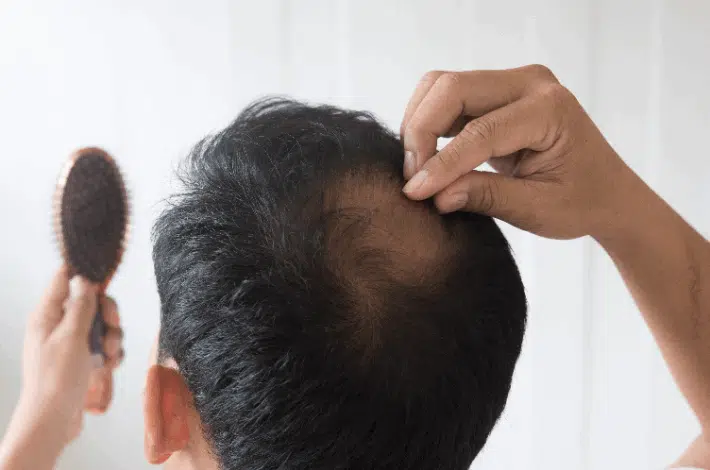
The Harley Street Hair Transplant Company estimates that approximately 70% of men experience some degree of hair loss or thinning, compared to around 50% of women. While some degree of hair loss is entirely natural, it doesn’t mean that you have to live with it or even be pleased that it is happening.
While some men, of course, accept the fact their hair changes and adapt to it, for others, it can be a significant part of their identity, and a change in their appearance can make them uncomfortable, especially at a younger age. Both reactions to hair loss are equally valid, and just because you experience it does not mean you can’t do anything about it. So whether you’re in your 20s or your 70s, here are some tips for handling the dreaded hair loss.
Own the Cut
One of the quickest and easiest ways to overcome a change in your hair thickness or coverage is to adjust your hairstyle. Longer styles can accentuate thick patches, so opt for shorter cuts for a cleaner look. A buzz cut or close cut can minimize the contrast between thicker and thinner areas, while fades or textured styles can add the appearance of volume. An experienced barber can make all the difference when changing your cut to cover bald or thin patches.
Product Changes
If your hair loss is genetic, there’s little that over-the-counter products can do to reverse it. However, switching to gentler shampoos or those formulated for healthy hair growth may offer some support. Trying these products could help you care for both your scalp and the remaining hair. Avoid products or styling habits—like frequent heat styling or tying hair tightly—that can add strain or accelerate hair loss. If you usually style your long hair with heat or tight tying, now is a good time to consider gentler alternatives.
Medications can Help
For men dealing with male pattern baldness, you have probably heard of the two names that dominate the market: minoxidil and finasteride. Minoxidil is a foam or liquid you apply directly to your scalp, and finasteride is an oral tablet. Neither is a miracle cure and takes a few months to start showing any effect, but research claims they can slow down loss or even bring back some regrowth.
Hair Transplants
If your issue has progressed beyond other options, you may want to consider a hair transplant. These can be done in several ways. Consulting with a hair transplant specialist can clarify your options and help you understand the likely results of each method. Hair transplant methods include FUE, where individual follicles are extracted, and FUT, also known as the strip method. Other options are micropigmentation and ARTAS hair transplants.
Thinning hair is something most men will face at some point in their lives. Whether you’re still young and in your 20s or you’re reaching middle age or retirement, your hair loss often needs to define you, and you don’t need to embrace the no-hair look if it’s not for you.
Here are some common hair problems in kids and how to prevent them.